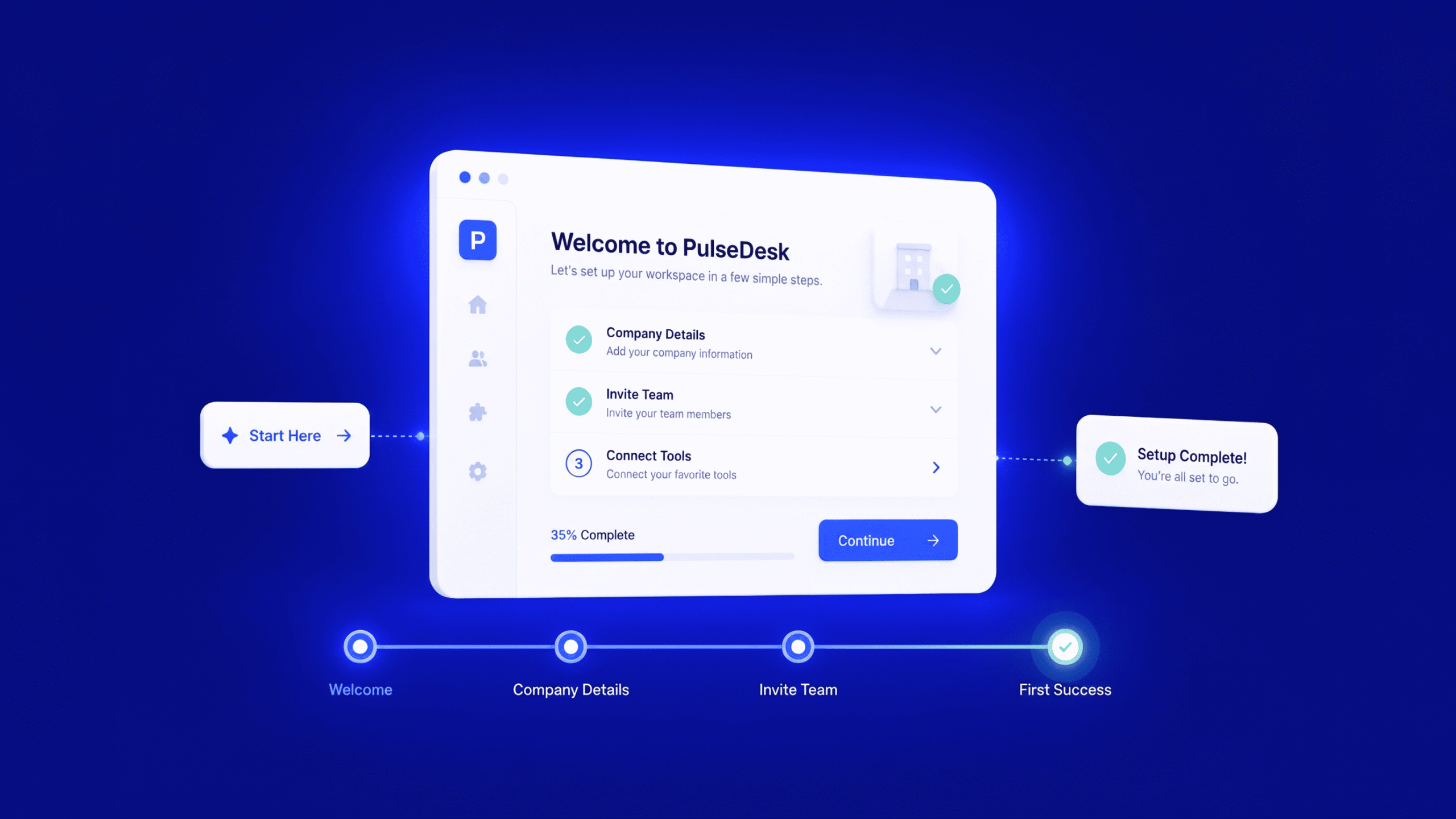
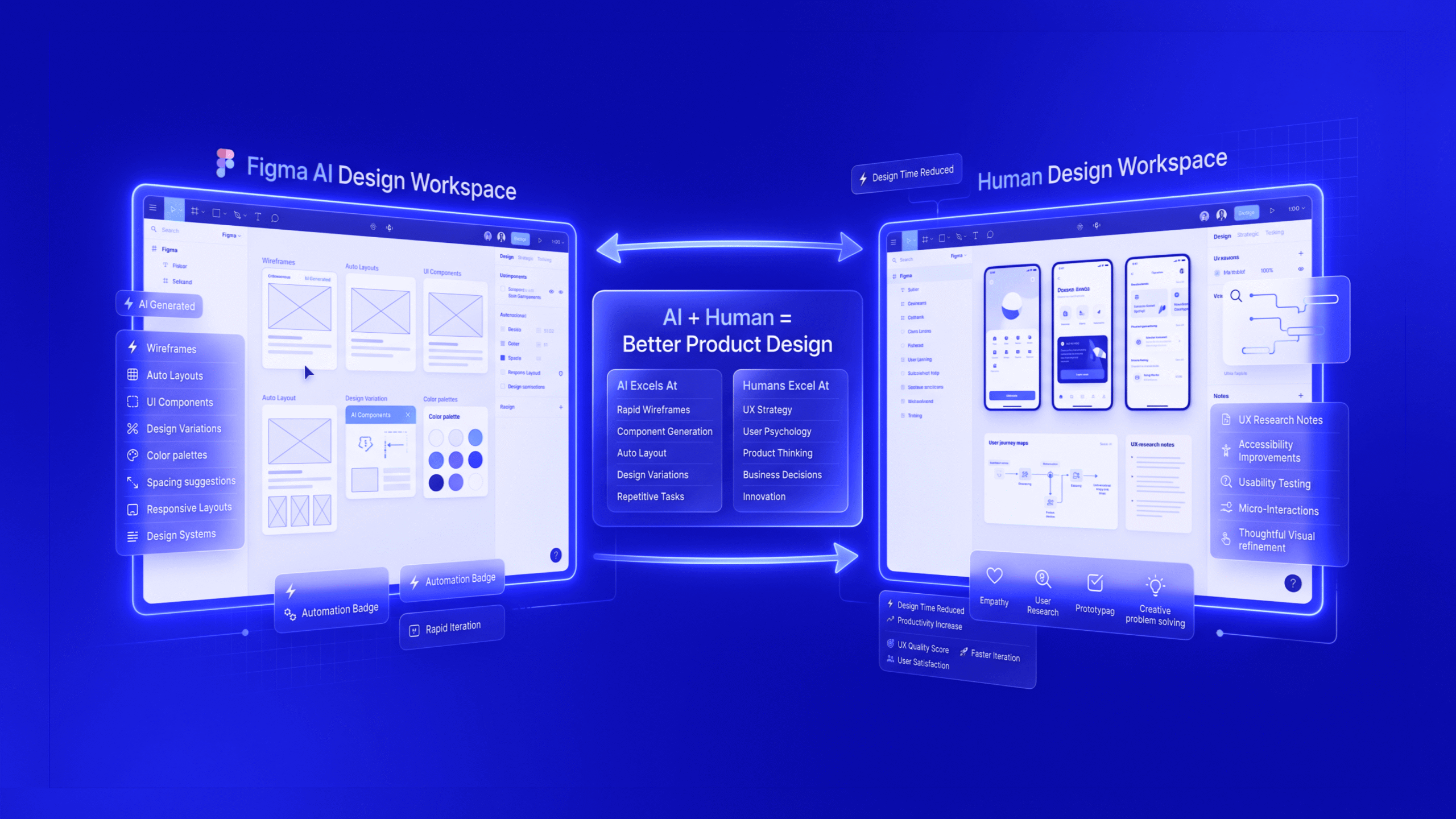
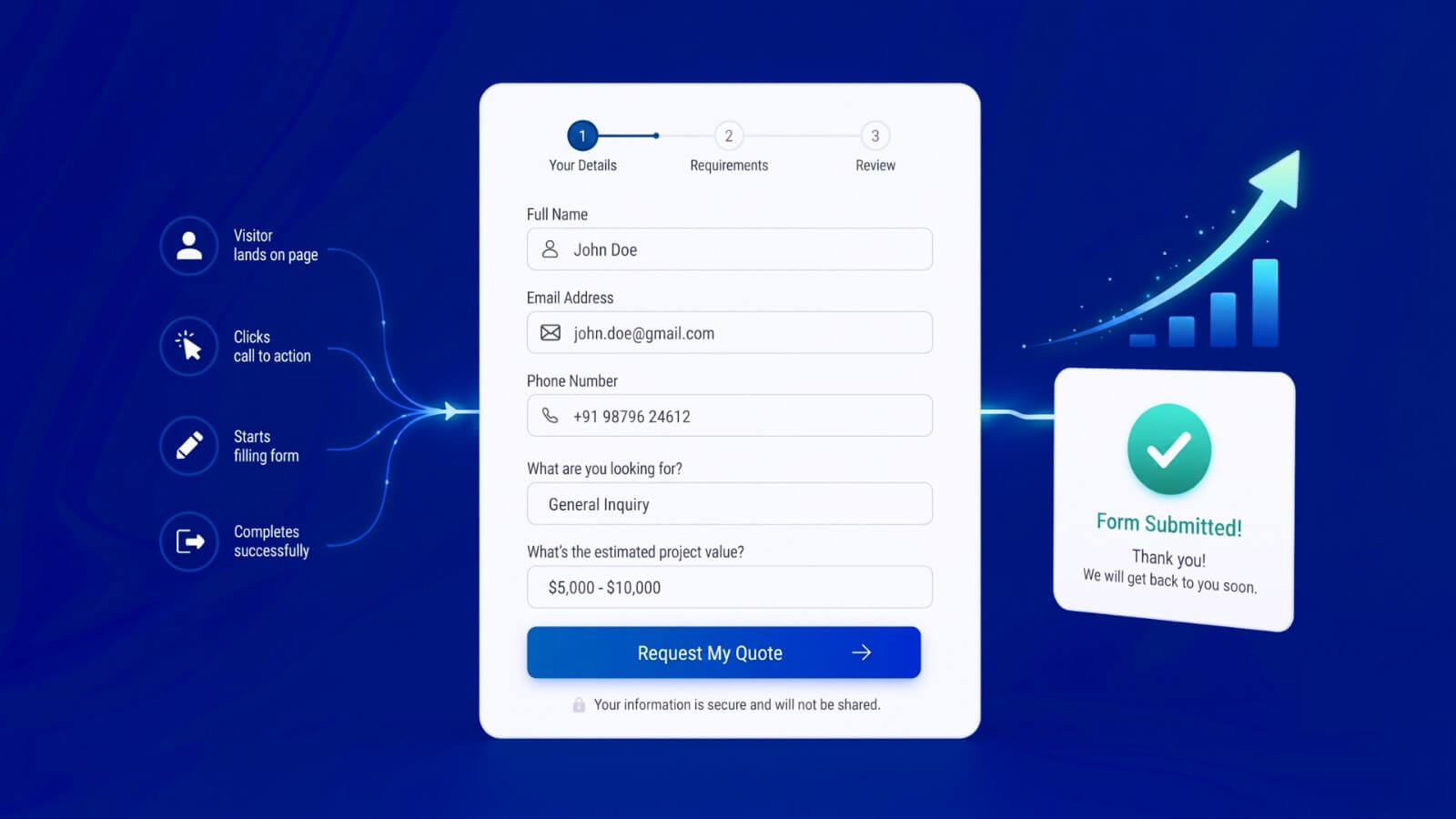
There is a moment in every SaaS product relationship that most teams underestimate. It is not the moment a user signs a contract, upgrades to a paid plan, or refers a colleague. It is the moment, often lasting no more than seven minutes, that happens immediately after they first sign up. What users experience in that window shapes everything that follows: whether they explore further, whether they return the next day, and whether they ever become the kind of engaged, loyal customer that sustains long term business growth.
The data behind this is stark. Industry research consistently shows that the majority of SaaS trial users who ultimately churn make that decision within the first session. A user who reaches a meaningful activation milestone, their first project created, their first report generated, their first meaningful outcome achieved, is dramatically more likely to convert and retain than one who encounters friction, confusion, or uncertainty before experiencing any value.
Yet despite this, SaaS onboarding UX remains one of the most underinvested areas in product design. Teams pour resources into acquisition, feature development, and marketing, and then present new users with onboarding experiences that feel like afterthoughts: long signup forms, generic product tours, and empty dashboards that offer no guidance on where to begin.
Why SaaS Onboarding UX Is the Foundation of Product Adoption
When a user signs up for a SaaS product, they arrive with a specific expectation: that the product will solve a problem they have already identified as worth solving. The gap between that expectation and the experience they actually encounter in the first session is the most critical variable in product adoption.
The psychology at work here is well documented. Users in a new product environment are in a state of heightened evaluation, simultaneously curious and impatient. They are not willing to invest significant time in learning a new tool before they see evidence that the investment will pay off. Time to value, the interval between first login and the first moment of genuine product utility, is the single most predictive metric of whether a new user will convert.
For product led growth UX strategies, onboarding is not simply a design consideration, it is the primary growth mechanism. In a PLG model, the product itself is the primary acquisition and conversion channel. That means the quality of the onboarding experience directly determines revenue. A ten percent improvement in activation rate compounds across the entire user funnel, producing outsized returns on the design investment.
The relationship between SaaS onboarding UX and churn reduction is equally direct. Users who do not activate, who never experience the core value of a product, are virtually certain to churn. Every investment in onboarding quality is simultaneously an investment in retention. This is why the most sophisticated SaaS companies treat onboarding not as a single screen or flow, but as a strategic product design discipline with dedicated resources, continuous measurement, and ongoing optimisation.
Understanding User Behavior During the First 7 Minutes
The Curiosity Phase
Immediately after signup, users are in an exploratory mindset. They are scanning the interface for confirmation that they have made a good decision, looking for familiar patterns, clear hierarchy, and early signals of the value the product promised. This is not the moment for a comprehensive feature tour. It is the moment for a clear, confident answer to the implicit question every new user is asking: "Am I in the right place, and can this actually help me?" Friction at this stage, a confusing empty state, an overwhelming dashboard, or an immediate barrage of onboarding prompts, breaks the spell before it has a chance to form.
The Evaluation Phase
Within two to three minutes, users shift into active evaluation. They are testing whether the product works the way they expected it to, attempting their first meaningful interaction, and forming a judgment about the gap between the product's marketing promise and its reality. Pain points at this stage typically include features that are harder to find than expected, setup steps that require information the user does not have immediately available, and workflows that feel unnecessarily complex relative to the user's mental model. A UX research process that maps real user mental models, not assumptions about them, is essential to designing an evaluation phase that builds rather than erodes confidence.
The Commitment Phase
The commitment phase, typically between minutes four and seven, is the fork in the road. Users who have reached at least one genuine value moment by this point are primed to continue. Users who have not are actively calculating whether the effort required to reach that value is worth it. This is where SaaS user retention design earns its return: the experience of reaching a first success moment, completing a setup, generating a first output, or achieving a small but meaningful win, triggers positive reinforcement that motivates continued engagement. Miss this window, and re engagement campaigns become the only lever left.
7 SaaS Onboarding UX Principles That Improve Activation and Retention
1. Deliver Value Before Teaching Features
The most common mistake in SaaS onboarding is leading with features rather than outcomes. A new user does not care that your product has forty seven integrations, a customisable dashboard, and an advanced reporting module. They care whether it will solve the specific problem that motivated them to sign up. Outcome focused onboarding leads with that problem and demonstrates the solution immediately using sample data, pre populated templates, or guided quick start flows that produce a meaningful result within the first few minutes.
Reducing cognitive load is inseparable from accelerating time to value. When users are presented with too many choices or too much information simultaneously, decision paralysis sets in. A well designed SaaS onboarding UX narrows the user's focus to a single clear next action at each step, removing the mental overhead of deciding what to do and replacing it with the forward momentum of doing it.
2. Personalise the Onboarding Journey
Generic onboarding experiences treat every new user identically, regardless of their role, goals, or industry context. This approach is efficient to build but expensive to maintain because it produces mediocre activation rates across every segment it attempts to serve.
Role based and goal based onboarding asks users a small number of highly targeted questions at signup, "What is your primary role?" or "What do you most want to achieve?", and uses those answers to route them into a tailored experience. A marketing manager and a software developer signing up for the same project management tool have fundamentally different activation milestones. An onboarding flow that addresses both generically serves neither effectively. Product design that invests in dynamic onboarding flows consistently outperforms static alternatives in both activation and conversion metrics.
3. Reduce Friction at Signup
The signup form is the first impression of the onboarding experience, and long, complex signup flows communicate, before the user has seen a single screen of the product, that the company values its own data collection over the user's time.
Best practices in friction reduction include limiting required fields to the absolute minimum necessary for initial activation, offering social login or SSO to eliminate password creation overhead, using progressive profiling to collect additional information at later, contextually appropriate points, and removing any field that is not demonstrably necessary for the user to begin experiencing value. A UX Design Audit of the signup flow frequently reveals three to five fields that can be eliminated without any functional impact, each removal representing a measurable increase in completion rate.
4. Guide Users with Contextual Education
The question in onboarding is not whether to educate users, but when and how. Comprehensive product tours delivered immediately after signup, before the user has developed any context for the information, are consistently ignored or dismissed. Contextual education, delivered at the moment of first use of a specific feature, is dramatically more effective.
Tooltips that appear when a user hovers over an unfamiliar element, interactive walkthroughs that activate when a user initiates a relevant task, and contextual guidance panels that surface based on the user's current action all represent interaction design approaches that teach through doing rather than lecturing before doing. This principle, meeting users with guidance at the exact moment they need it, is fundamental to effective user onboarding best practices in modern SaaS products.
5. Build Progressive Product Discovery
A new user landing in a fully featured SaaS product and seeing the complete interface immediately is a recipe for overwhelm. Progressive product discovery is the principle of revealing complexity incrementally, starting with the core workflow that delivers primary value, and introducing advanced features only as users demonstrate readiness for them through their behaviour.
Feature prioritisation in onboarding requires honest analysis of which capabilities actually drive activation and which contribute to noise. The product design principle here is that every feature shown during onboarding is a cognitive cost. That cost is worth paying only if the feature in question is directly on the path to the user's first value moment. Everything else can wait and will be better received once the user has already developed a relationship with the core product.
6. Design for Early Success Moments
Activation milestones are the checkpoints that signal a user has moved from passive exploration to active engagement. The most effective onboarding designs make these milestones explicit and rewarding, not just tracking them internally, but making the user feel the significance of reaching them.
Positive reinforcement at the moment of first achievement, a congratulatory message after the first project is created, a progress indicator that visually celebrates completion of a setup step, a personalised insight generated from the user's first data input, creates the emotional anchor that motivates return visits. SaaS user retention design that invests in these early success moments consistently demonstrates higher day seven and day thirty retention rates than designs that treat activation as a purely functional milestone rather than an emotionally significant experience.
7. Measure and Optimise Onboarding Continuously
Onboarding is never finished. User expectations evolve, product capabilities expand, and the competitive context shifts, all of which can erode the effectiveness of an onboarding flow that was excellent when it was designed. The most sophisticated SaaS companies treat onboarding optimisation as a continuous discipline, applying funnel analysis to identify where users drop off, behavioural analytics to understand why, and A/B testing to validate improvements before full deployment.
Usability testing with real users at regular intervals remains one of the highest return investments in onboarding quality. Watching actual new users navigate the first session without guidance or assistance consistently surfaces issues that internal teams, who are too close to the product to see it with fresh eyes, cannot identify from analytics alone. This is where working with a User Experience Agency brings compounding value: an external perspective applied systematically to a continuous optimisation process.
Common SaaS Onboarding UX Mistakes That Drive Users Away
Long and Complex Signup Flows
Problem: Requiring extensive information before the user has experienced any product value. Impact on retention: High abandonment before the first session even begins, users who never complete signup cannot be retained. Solution: Reduce signup to name, email, and password as a minimum. Move all additional profiling to post activation, when the user has sufficient context and motivation to engage with those questions meaningfully.
Feature Overload
Problem: Presenting the complete product interface to new users without progressive disclosure or guided focus. Impact on retention: Cognitive overwhelm causes users to shut down exploration rather than engage with it. Solution: Identify the single workflow that most directly delivers your product's primary value, and design the initial onboarding experience to guide every new user through that workflow first. Reveal everything else progressively.
Generic Onboarding Experiences
Problem: A single, undifferentiated onboarding flow that ignores user role, goal, and industry context. Impact on retention: Users with specific needs feel unseen, receive irrelevant guidance, and fail to reach the activation milestones that matter for their use case. Solution: Invest in UX research to understand your user segments in depth, then design role based or goal based onboarding paths that speak directly to each segment's specific motivation for using the product.
Lack of Clear Next Steps
Problem: Onboarding flows that end without directing users toward a clear, actionable next milestone. Impact on retention: Users who complete the initial setup but are then left without guidance on what to do next frequently disengage rather than self navigate. Solution: Every onboarding step should end with an explicit next action. The user should never be in a state of uncertainty about what they are supposed to do to continue making progress.
Ignoring User Intent
Problem: Designing onboarding around the company's preferred user journey rather than the user's stated or demonstrated intent. Impact on retention: Users who are forced through an onboarding flow that does not reflect their goals experience friction even before the product is encountered in full. Solution: Use behavioural data and usability testing to understand how different users actually want to navigate the first experience, then design the onboarding to accommodate those natural paths rather than fighting against them.
Emerging Trends in SaaS Onboarding UX and Product Led Growth UX
AI Powered Onboarding Experiences
Machine learning models are enabling onboarding experiences that adapt to individual user behaviour in real time, surfacing different guidance, different feature highlights, and different next step recommendations based on what the model learns about each user's patterns in the first session. AI development services integrated into the onboarding layer represent a significant leap beyond static, rules based personalisation, and are already demonstrating measurable activation improvements in early adopter SaaS products.
Adaptive User Journeys
Adaptive onboarding dynamically adjusts the depth and sequence of the guided experience based on signals from the user's behaviour. An experienced user who navigates quickly through initial steps can be accelerated past introductory guidance. A user who hesitates or explores multiple options at a decision point receives additional context. This responsiveness makes the onboarding feel intelligent rather than mechanical, a significant contributor to the trust and confidence that characterise successful early product experiences.
Predictive User Guidance
Predictive systems use cohort level data to anticipate where individual users are likely to encounter difficulty and proactively surface guidance at those points before the user signals frustration. For product led growth UX, this predictive capability transforms onboarding from a reactive support mechanism into a proactive growth tool, intercepting churn risk at the earliest possible moment in the user lifecycle.
Behavioural Personalisation
Beyond role based segmentation, behavioural personalisation uses in session signals to continuously refine the onboarding experience during the first visit. Which features does the user explore voluntarily? Which prompts do they dismiss? What sequence do they naturally follow when given free navigation? These behavioural signals, captured and processed in real time, enable onboarding systems that learn from each user and adapt accordingly, moving toward a truly one to one guided experience.
Self Serve Product Adoption
The dominant trend in product led growth UX is the movement toward fully self serve product adoption, where the product itself, through exceptional SaaS onboarding UX, guides users to activation and conversion without requiring human sales or customer success intervention. For B2B SaaS companies, this model has significant cost and scalability implications. It also places the highest possible premium on onboarding quality, because there is no human fallback when the product experience falls short.
How TheFinch Design Approaches SaaS Onboarding UX
At TheFinch Design, we approach SaaS onboarding UX as a strategic product design challenge, not a cosmetic one. Our methodology begins with deep UX research into the specific user segments a product serves, understanding their mental models, their activation milestones, and the friction points that are costing the platform conversions before we design a single screen.
Digital prototyping and usability testing are central to our onboarding design process. We validate interaction models with real users before development begins, surfacing issues that would otherwise manifest as activation metrics problems post launch. Our UX Design Audit service is also frequently applied to existing onboarding flows, where it reliably surfaces three to five high impact changes that improve activation rates without requiring a full redesign.
Key Takeaways
- SaaS onboarding UX is the single highest leverage investment in user activation and retention, not a secondary product consideration.
- The first seven minutes determine whether a user becomes an engaged customer or a churn statistic, design those minutes with explicit intent.
- Lead with outcomes, not features: accelerate time to value by showing users a meaningful result before teaching them how the product works.
- Personalise onboarding by role, goal, and industry context, generic flows produce mediocre activation across every segment they attempt to serve.
- Reduce signup friction aggressively: every unnecessary field in a signup form is a conversion barrier.
- Design explicit early success moments that make activation milestones feel rewarding, not just functional.
- Treat SaaS user retention design as a continuous discipline, use usability testing, funnel analysis, and A/B testing to optimise onboarding iteratively over time.
- Invest in product led growth UX architecture that enables self serve activation, the product should be able to guide users to value without human intervention.
Conclusion
SaaS onboarding UX is one of the most important factors influencing user activation, retention, and long term product growth. By reducing friction, personalizing experiences, and helping users achieve value quickly, businesses can significantly improve engagement and conversion rates.
The most successful SaaS products don't just showcase features, they guide users to meaningful outcomes from the very first session. Those critical first few minutes often determine whether users stay or leave.
At TheFinch Design, we help SaaS companies create seamless onboarding experiences that drive activation, retention, and sustainable product growth. Contact us to talk through your onboarding flow.
Frequently Asked Questions
What is SaaS onboarding UX?
SaaS onboarding UX is the experience new users have when signing up for and learning a SaaS product, helping them reach value quickly and easily.
Why is onboarding important for SaaS retention?
Effective onboarding helps users achieve early success, increasing activation rates, reducing churn, and improving long term retention.
What are the best SaaS onboarding practices?
Focus on reducing friction, personalizing experiences, providing contextual guidance, and helping users reach their first success quickly.
How does Product Led Growth (PLG) UX improve activation?
PLG UX uses the product itself to drive adoption by enabling users to discover value independently through intuitive onboarding experiences.
When should a company hire a SaaS onboarding design agency?
Companies should consider a specialist agency when facing low activation rates, poor trial to paid conversions, or onboarding drop offs that impact growth.
How can UX research improve SaaS onboarding?
UX research identifies user pain points and behavior patterns, helping teams create smoother onboarding journeys and better activation outcomes.
What is Time to Value (TTV) in SaaS?
Time to Value measures how quickly users experience meaningful benefits from a product after signing up. Lower TTV often leads to higher retention.
Why is onboarding critical for Product Design?
Onboarding is often the first product experience users have, making it essential for demonstrating value, building trust, and driving engagement.
Ravi Talajiya
CEO of TheFinch
With over a decade of experience in digital design and business strategy, Ravi leads TheFinch with a vision to bridge creativity and purpose. His passion lies in helping brands scale through design thinking, innovation, and a deep understanding of user behavior.