






Make Every
Interaction Easier
UX optimisation improves an existing digital experience by identifying usability barriers, testing targeted changes and measuring their effect on user and business goals.
TheFinch Design helps teams optimise websites, mobile apps, SaaS products and complex dashboards so people can find what they need, complete tasks and keep using your product.
What Is Holding
Your User Experience Back?
Uncover the friction behind abandoned journeys, repeated errors and features that users struggle to adopt.
Users Leave Before Finishing
People start a registration, enquiry or purchase, then leave. Your team needs to understand where the journey breaks down.
Remove the Barriers .
to Completion
We examine key flows, identify confusing steps and test clearer alternatives so users can complete the actions that matter.
Your Analytics
Raise More Questions
You can see drop-offs and low engagement, but the numbers do not explain what users expected or why they stopped.
Understand the Behaviour
Behind the Numbers
We combine funnel analysis and available session insights with user research to explain friction and turn observations into design decisions.
Complex Workflows
Slow People Down
Long onboarding, unclear navigation and crowded dashboards make everyday tasks harder for customers and internal teams.
Make the
Next Step Clear
We simplify information architecture, task flows and interface guidance to help people find relevant information and reach useful outcomes sooner.
Your Improvement
Backlog Keeps Growing
Teams collect feedback and audit findings, yet struggle to decide which changes deserve attention first.
Give Each Improvement
a Clear Priority
We rank opportunities by user impact, business value, evidence and implementation effort, then build a practical roadmap your team can deliver.
Start with the journeys that matter most to your users and your business.
UX Optimisation Services
for Existing Digital Products
Get focused support for one critical journey or an ongoing programme of research, design, implementation and measurement. Each engagement starts with agreed goals and produces clear next steps.
UX Audits and Heuristic Reviews
Evaluate existing screens and workflows against usability principles. Receive a findings report with severity ratings, recommended fixes and a prioritised improvement backlog.
Behaviour Analytics and Session Insights
Review available funnel data, heatmaps, session replays and event tracking to identify abandonment, repeated interactions and paths that fail to support users. We check tracking quality before interpreting results.
User Research and Usability Testing
Observe representative users completing real tasks. Interviews, moderated testing and prototype studies reveal where expectations differ from the interface and which changes improve task completion.
Information Architecture and Navigation
Improve menus, search, labels, filters and content relationships so people can locate relevant information. Validate proposed structures through navigation research and task-based testing.
User Journey and Funnel Optimisation
Connect the steps across discovery, registration, enquiries and purchases. Identify friction between pages or systems and redesign the transitions that interrupt progress.
Form and Checkout Optimisation
Simplify fields, validation, error recovery and payment steps. Improve clarity around requirements, pricing and next actions to reduce avoidable friction in submissions and purchases.
Mobile and Responsive UX
Refine layouts, touch targets, interactions and content priority across screen sizes. Address mobile-specific barriers in navigation, forms and key workflows.
Accessibility and Inclusive Interactions
Identify barriers in keyboard access, focus order, contrast, labels and error messages. Design and validate improvements against the agreed accessibility target, such as WCAG 2.2 AA.
A/B Testing and Experimentation
Translate findings into testable hypotheses with defined success metrics. Where traffic supports reliable experiments, compare alternatives. For products with lower traffic, use focused usability studies and staged validation.
Implementation and Continuous Improvement
Turn approved recommendations into production changes with your developers or our development team. Update components, validate tracking and review feedback after release to guide the next iteration.
UX Writing and Content Clarity
Make instructions, calls to action and system messages easier to understand. Help users make decisions, recover from errors and know what happens next.
Onboarding and Product Adoption
Help new users understand your product, finish setup and reach their first useful outcome. Refine guidance, empty states and feature discovery to support activation and repeat use.
Client-Reported
UX Improvements
Published client feedback illustrates outcomes across task completion, conversions and product engagement. Each result below relates to the named project.
Higher Task Success
Client feedback reports improved task completion following research and prototyping.
Fewer User Errors
Client feedback reports fewer errors in the redesigned experience.
Higher Conversions
Client feedback reports increased conversions after the UX and visual design work.
More Daily Active Users
Client feedback reports increased daily use following onboarding and navigation improvements.
Our UX
Optimisation Process
We connect the initial diagnosis with design changes and measurement after release. Your scope determines which stages are needed, from an independent audit to ongoing optimisation.


They created a women-centric app experience tailored for PCOS users. From user research to clean prototypes, the process was smooth. The end product increased user task success by 15% and decreased errors by 20%. A reliable, skilled team.
Our B2B ceramics platform benefitted immensely from TheFinch Design’s UX/UI skills. They delivered on time, offered smart solutions, and stayed flexible. Their approach was agile, user-focused, and always aligned with our evolving requirements.
From strategy to design, TheFinch Design gave our website a polished, high-converting look. Post-launch, we started receiving quality leads. The team was responsive, quick with changes, and supported us well through development integration too.
TheFinch Design simplified our complex UX into a cleaner, more intuitive experience. They reduced 9 pages to 5 while maintaining clarity. All work was done quickly and professionally. Communication was solid and execution exceeded expectations.
TheFinch surpassed expectations with perfect aesthetic alignment with our UI/UX Design goals, answering our questions & paying attention to detail while offering valuable recommendations throughout the project.

TheFinch Design understood our vision and brought it to life with precise, well-crafted UI. Their communication was excellent, execution seamless, and final output exceeded expectations. We’re very happy with the results and timely delivery.
TheFinch Design delivered clear wireframes, interactive prototypes, and custom UI for our apps. Their designs improved brand consistency and user engagement. The entire process was seamless, creative, and highly collaborative from start to finish.
We partnered with TheFinch Design to refresh our CRM UI/UX. Their innovative designs stood out for being user-friendly and modern. Always punctual, highly responsive, and consistently delivering exceptional designs across multiple projects.
TheFinch Design transformed our TASC AIQU website with stunning UX and visuals. Their work boosted conversions by 20%, delivered extra design templates, and ensured a smooth developer handoff. A skilled team with great attention to detail.
TheFinch Design revamped our pole fitness app, improving onboarding, navigation, and overall UX. We saw a 63% rise in daily active users, stronger retention, and better profits. Their clean, user-friendly design truly exceeded expectations.
|
PROUDLY WORKED WITH |
||

|

|

|

|

|

|

|

|

|
|
50+ More Partners… |
||
UX Optimisation Across Industries
We adapt the work to your users, business model and operational context, focusing on the tasks that matter in each industry.
Real Estate
Real Estate
Enterprise
& Logistics
Enterprise
& Logistics
Social Media
Social Media
Sports
Sports
Fintech
Fintech
eCommerce
eCommerce
Healthcare
Healthcare
Food, Travel
& Leisure
Food, Travel
& Leisure
Edutech
Edutech
Media &
Entertainment
Media &
Entertainment
And still
counting…
And still
counting…
Simplify property discovery, comparison, enquiry forms and portfolio dashboards so buyers, agents and internal teams can complete their next task.
Improve dense dashboards, operational workflows and exception handling. Reduce unnecessary steps across internal tools, logistics platforms and connected business systems.
Refine onboarding, content discovery, creation and moderation flows to help people participate confidently and return to useful experiences.
Make activity tracking, bookings, subscriptions and live information easier to use across sports management and fitness apps.
Improve financial onboarding, application forms and transaction journeys with clearer guidance, understandable status updates and practical error recovery.
Remove friction across product discovery, comparison, cart and checkout. Help shoppers understand their options and complete purchases with confidence.
Simplify appointment booking, patient forms and access to information, with particular attention to clarity, accessibility and sensitive user needs.
Improve search, selection, reservations and booking changes across ordering, travel and hospitality experiences.
Make learning resources easier to discover, simplify enrolment and improve progress guidance for learners, educators and administrators.
Refine content discovery, account setup, subscriptions and viewing journeys across devices so users can reach relevant content more easily.
Explore Our
Product Design Work
See selected projects involving research, workflow design and consistent product interfaces.
-
Product Design
-
Dashboard Design
-
Mobile App
-
Interface Design & UX
-
Data Insights
-
Fantasy App
-
Saas
We redesigned CricksLab from scratch, enhancing 10x usability and effortless match tracking for cricket fans. Post-launch, the successful revamped app crossed 10K+ downloads and improved retention significantly.
-
Enterprise Product Design
-
Enterprise AI
-
UI/UX
-
Web App
-
MarketingTech
-
Design Discovery
-
Saas
 ” alt=”Omneky – AI Meets UX”>
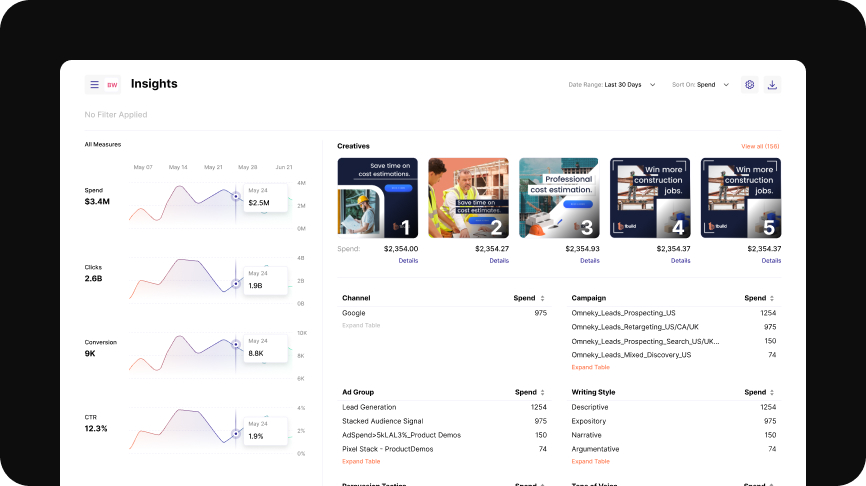
By analyzing Omneky’s enterprise users, we redesigned their ad platform into a streamlined 2.0 Version. A clear and performance-driven UX resulted in a 2.9% conversion boost.
-
Enterprise Product Design
-
Mobile App
-
Dashboard Design
-
UI/UX
-
Logistics
-
OCR Scanning
-
Saas
 ” alt=”PackageX – Streamlined Logistics”>
We built a unified design system for PackageX, aligning all product experiences under one scalable UX framework—boosting consistency, usability, and rollout speed across their logistics platform.
-
Enterprise Product Design
-
Dashboard Design
-
Digital Banking
-
Finance
-
Web App
-
Saas
 ” alt=”Cadnz – Simplified Banking”>
From discovery to launch, we helped Cadnz create a modern, intuitive platform that centralizes banking operations—making financial workflows seamless for teams and users across institutions.
Our Super Powers

Human-Centric
Approach
We put people at the heart of everything we do, wireframing experiences that resonate with your users.

Strategic
Design Thinking
Our best UI UX consultants combine creativity with business acumen, ensuring that our strategies drive real results for your brands.

Collaborative
Mindset
We believe in partnership, not just project execution. Our UI UX designers work closely with yours to ensure seamless integration and maximum impact.

Data-Driven
Design Decisions
Our designs are backed by research, testing, and analysis, ensuring that every element is optimized for user engagement and business success.
Make Your Product Easier to Use
Help your users move forward with clearer journeys and fewer barriers. Tell us where people get stuck, and we will help you plan the improvements.
Latest Insights
UI/UX / 14 Sep, 2026
by Ravi Talajiya
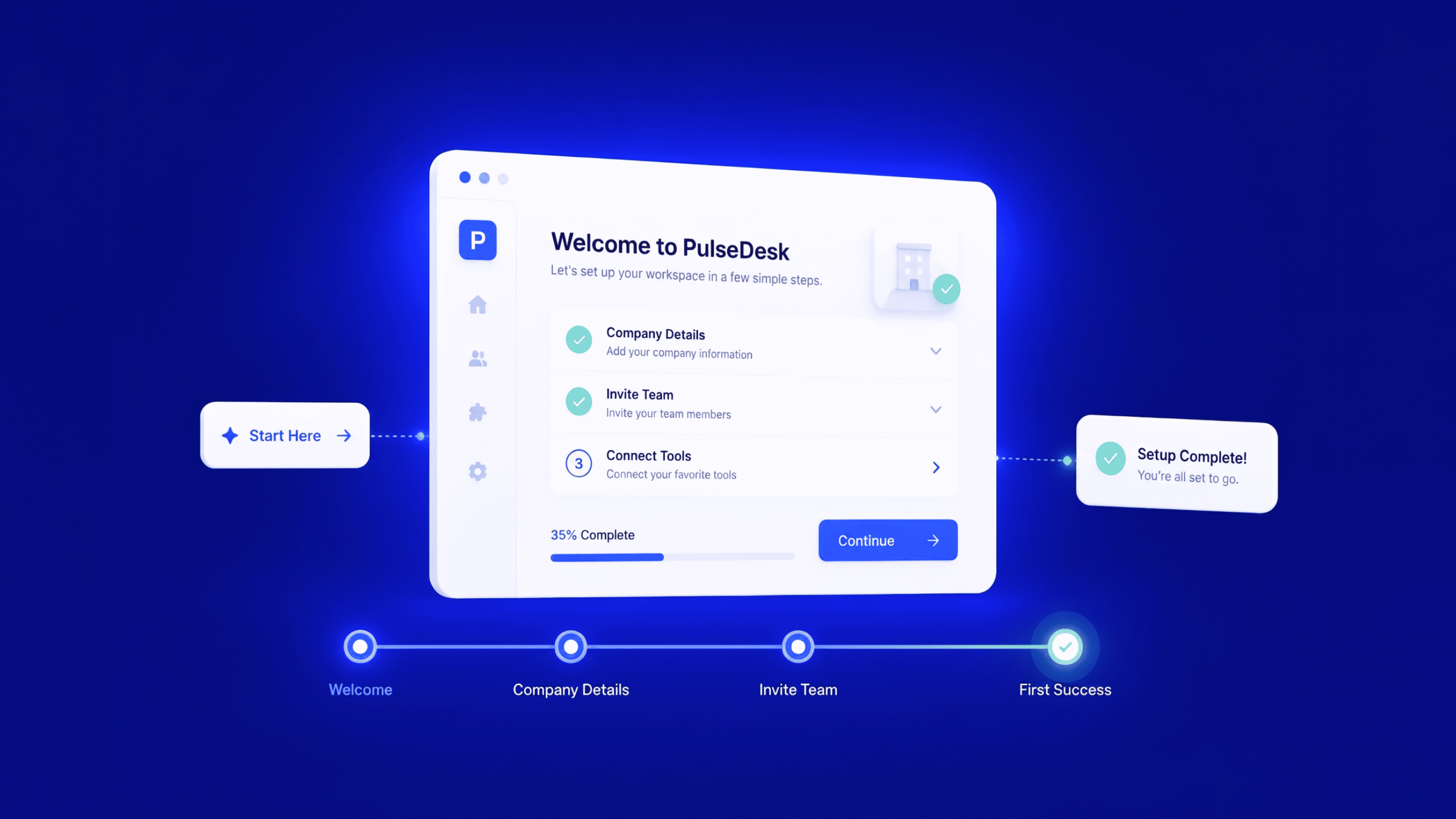
SaaS Onboarding UX: The First 7 Minutes That Decide If Users Stay or Leave
Mobile App Design / 08 Sep, 2026
by Ravi Talajiya
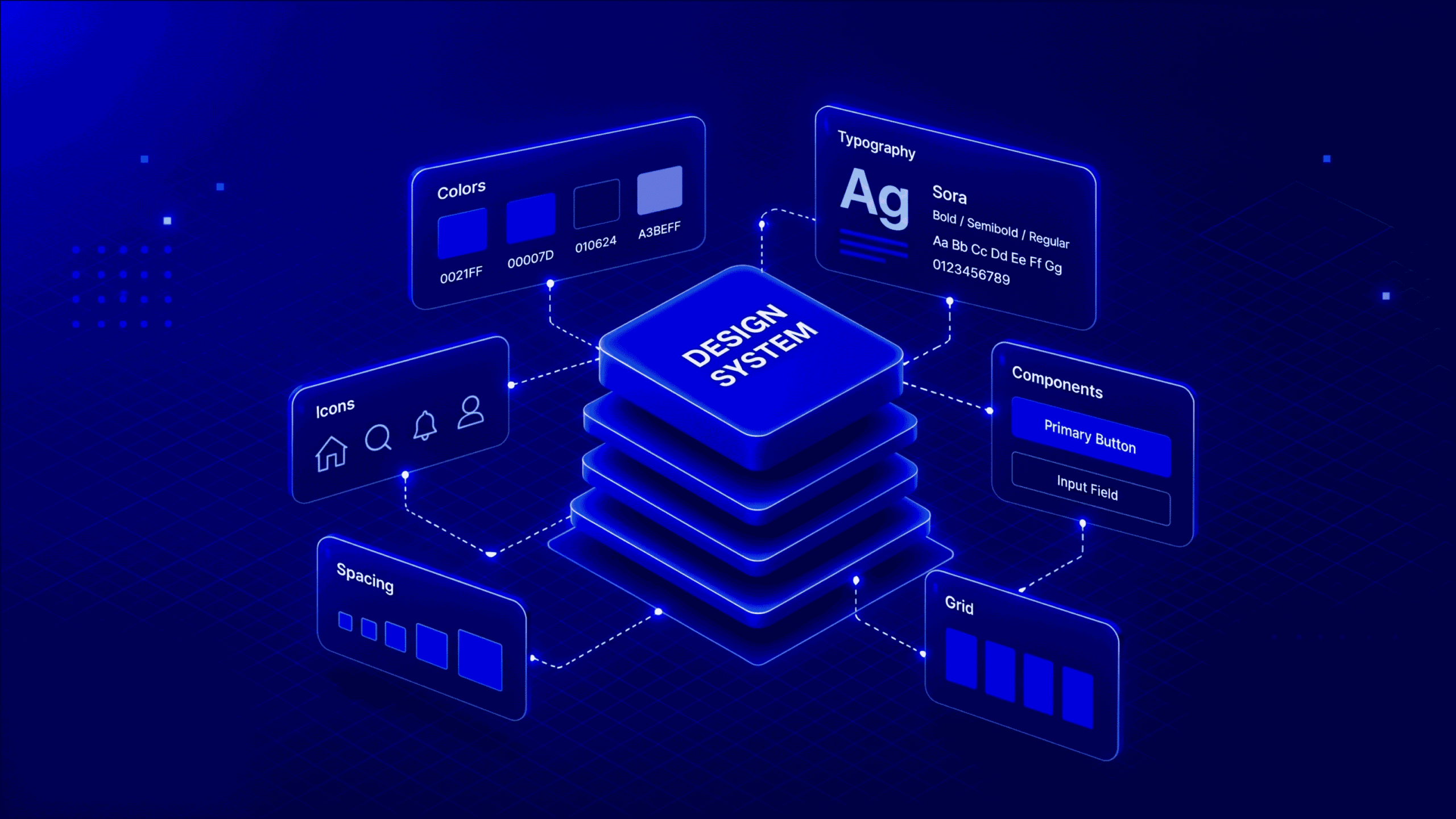
How to Build a Scalable Mobile App for Future Business Growth
AI Technology / 07 Sep, 2026
by Ravi Talajiya
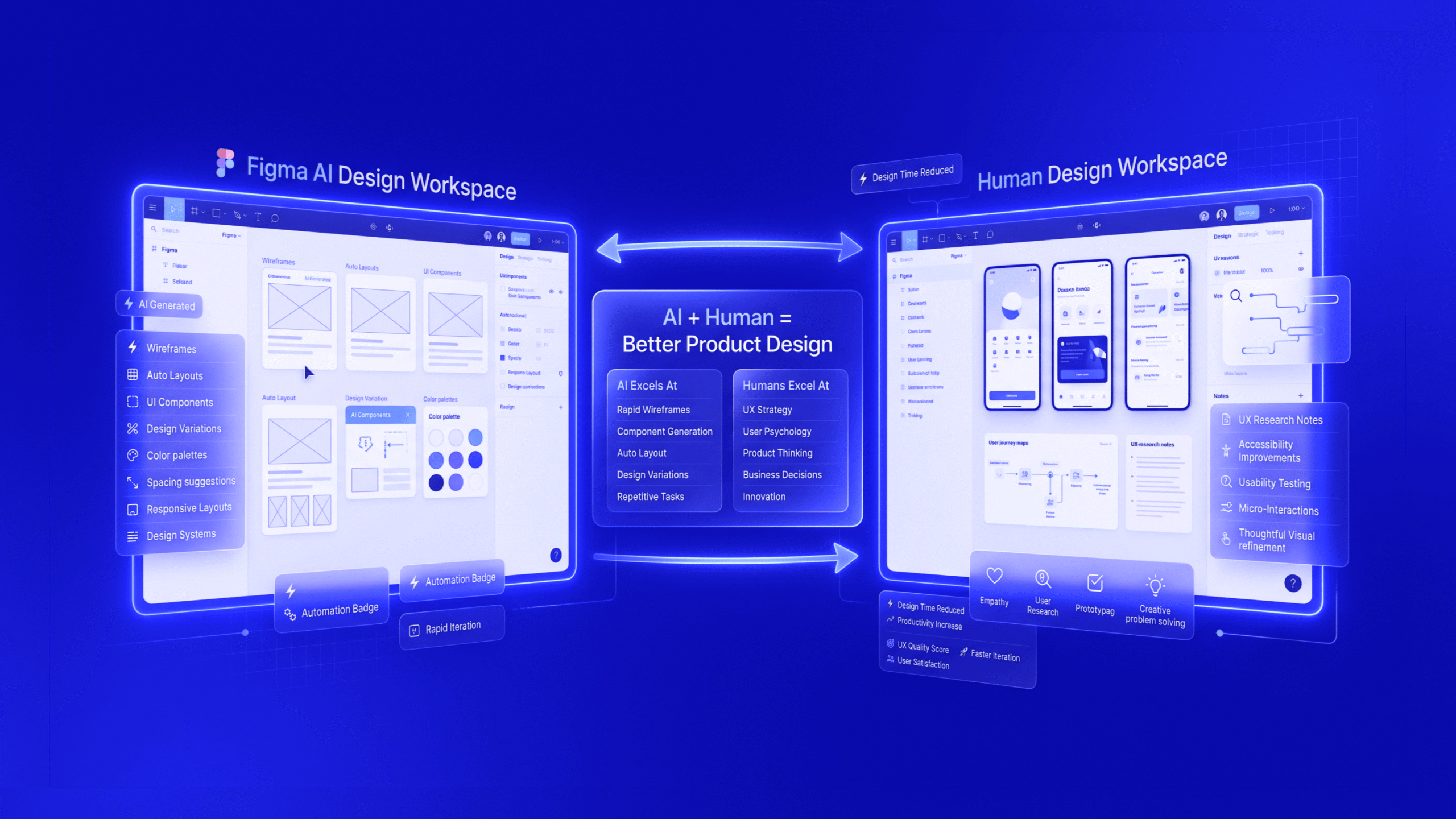
How AI Is Transforming UI/UX Design in 2026
Frequently Asked Questions
Seeking Basic Information? Our FAQ section is a ready reckoner with precise answers to the most probable queries

Connect with our Vision
Have more questions or just curious about your idea to explore?

What is UX optimisation?
UX optimisation is the ongoing improvement of an existing website, app or digital product using research, behavioural evidence and testing. It focuses on helping users complete tasks more easily while measuring progress against goals such as conversion, activation, accessibility and satisfaction.
How do I know whether my product needs UX optimisation?
Common signs include abandoned forms, users struggling to find information, repeated support requests, low feature adoption and difficulty completing important tasks. We investigate the causes before recommending changes, using evidence from your users and product.
How is UX optimisation different from a product redesign?
UX optimisation usually targets specific friction within an existing product and can be delivered through incremental changes. A product redesign changes a larger part of the structure or interface. An initial assessment helps establish whether focused improvements or a broader redesign will address the problem.
How does UX optimisation differ from conversion rate optimisation?
Conversion rate optimisation focuses on a defined action, such as a purchase or enquiry. UX optimisation also covers the wider experience, including task efficiency, accessibility, onboarding, feature adoption and repeat use. The approaches overlap when better usability supports the conversion goal.
What does a UX optimisation engagement include?
Depending on your scope, deliverables can include a UX audit, journey maps, usability findings, a prioritised backlog, revised flows, prototypes, implementation specifications and a measurement plan. We agree the deliverables, responsibilities and acceptance criteria before work begins.
Can you improve mobile UX and accessibility?
Yes. We review key journeys across relevant devices and assess interactions such as keyboard navigation, focus, labels and error recovery. We agree an accessibility target, such as WCAG 2.2 AA, and validate the changes through appropriate manual and automated checks.
What if we have limited analytics or low traffic?
We can begin with stakeholder and user interviews, heuristic reviews and task-based usability testing. We also identify gaps in tracking. When traffic is insufficient for a reliable A/B test, we use suitable research methods and treat inconclusive data accordingly.
How do you test whether a UX change works?
We define a hypothesis, baseline and success criteria first. We can test prototypes with representative users, compare task performance and run controlled experiments when sample sizes allow. We also consider changes in traffic, devices or audiences when interpreting the outcome.
How long does UX optimisation take, and what does it cost?
Timing and cost depend on the number of journeys, product complexity, research recruitment, implementation scope and measurement requirements. We provide a scoped estimate after reviewing your priorities. Controlled experiments may require additional time to collect enough data.
Can you implement improvements or work with our developers?
Yes. TheFinch Design can support design and development, or collaborate with your existing team. We provide agreed design assets, interaction specifications and implementation guidance, then review the built experience and tracking before release.
How do you measure progress and support ongoing improvement?
We agree metrics suited to the journey, such as task success, time on task, errors, form completion, conversion or activation. Where relevant, we review retention and satisfaction over time. Ongoing support can combine feedback reviews, research and a prioritised improvement roadmap.