






Digital Platforms That Keep
Logistics Operations Moving
At TheFinch Design, we design for the complexity of logistics. Whether you’re managing a freight network across multiple lanes, operating a last-mile delivery platform, or building the next generation of supply chain software, your digital tools need to hold up where the work actually happens: at the dock, in the cab, and across the control room. We turn logistical complexity into software that people rely on every single day.
The Barriers to Global Scale
E-commerce
Solved by TheFinch Design
Logistics platforms operate in high-stakes environments where bad UX isn’t just frustrating; it directly impacts delivery performance, carrier relationships, and revenue. Here’s how we address the design challenges that matter most in logistics:
No Clear Platform Direction
Fragmented tracking, slow carrier onboarding, and disconnected dispatch workflows are all real problems. But translating them into a defined product with a clear scope and feature priority is a different challenge entirely. Without that clarity, development burns budget and delivers the wrong product.
Strategic Design Discovery
We bring structure to complex logistics product problems. Through workflow mapping, stakeholder interviews, and AI-assisted market analysis, we define exactly what to build and in what sequence, grounded in how freight operations actually run.
Delayed Launches Costing You Contracts
In logistics, timing is everything. A platform that is not ready when a carrier RFP closes or a peak freight season begins loses business. Long design and development lead times are a commercial liability.
Fast-Track MVP Design
We use AI-assisted design workflows to move from concept to high-fidelity prototype fast, without cutting corners on usability, giving your team something credible to bring to clients and stakeholders quickly.
Operators Not Using the Platform
When the interface adds steps to an already pressured workflow, dispatchers and coordinators fall back on phone calls and spreadsheets. Poor adoption means poor data, poor coordination, and a platform that does not justify its cost.
Adoption-Focused Full Product Design
When the interface adds steps to an already pressured workflow, dispatchers and coordinators fall back on phone calls and spreadsheets. Poor adoption means poor data, poor coordination, and a platform that does not justify its cost.
Data Without Visibility
Freight volume, SLAs, fleet utilisation, dwell times. Logistics generates enormous amounts of data. Without hierarchy or context, it creates noise. Operations managers end up reacting to problems rather than anticipating them.
Intelligent Logistics Dashboard Design
We design dashboards organised around decisions, not just metrics. By understanding what each role actually needs to act on, we surface what matters and suppress what does not, giving your team the visibility to act before problems escalate.
Platform Instability at Peak Periods
Q4 surges, seasonal peaks, and supply disruptions are exactly when your platform needs to perform. When tracking lags or dispatch interfaces stall under load, teams fall back on manual processes that cost time and accuracy.
High-Load Resilient Platform Design
We design with peak operational conditions as the baseline. Real-time tracking, live alerts, and high-density dashboards are structured to perform reliably when freight volume and user concurrency are at their highest.
Outdated SOPs and Operational Content
Carrier rate cards, compliance documents, and standard operating procedures change constantly. When your team needs a developer to update and distribute them, your operation runs on stale information, posing real compliance and coordination risks.
Logistics Workflow and Content Management Design
We design content and workflow management systems that your operations team can own directly, with role-based access, structured update flows, and intuitive publishing tools that keep the organisation aligned without a technology bottleneck.
A Website That Does Not Reflect Your Scale
Shippers, enterprise clients, and carriers evaluate logistics businesses digitally before they call. A generic website that fails to communicate your network depth and capability loses consideration from decision-makers who never reach out.
Logistics-Focused Custom Website Design
We design websites that clearly communicate what you do, who you serve, and why you are the right partner, with conversion-optimised page structures that give freight procurement teams and carriers a clear path to engage.
A Platform That Fails in the Field
Drivers, warehouse pickers, and dock supervisors do not work at desks with reliable Wi-Fi. An app that works in a demo but fails on a ruggedised handheld, loses data on a low-signal route, or becomes unusable with gloves on is not logistics-ready.
Field-Ready Mobile App Design
We design mobile platforms built for the environments where logistics work actually happens, accounting for variable connectivity, time pressure, and ruggedised hardware, so your field teams have a tool that works wherever they work.
High Carrier Onboarding Drop-Off
When carriers abandon registration midway or stall on compliance documentation, your network grows more slowly than it should. Onboarding friction directly limits your carrier base and operational capacity.
Carrier Portal and Onboarding Flow Design
We design carrier portals with logical step sequencing, clear progress indicators, and smart form design that reduce drop-off at every stage, turning onboarding from a bottleneck into a competitive advantage for growing your network.
Disconnected Tools Across the Operation
When your TMS, fleet app, driver platform, and delivery portal all look and behave differently, the cost shows up in training time, user errors, and lost confidence in the software.
Unified Logistics Design System
We build design systems that bring consistency across every platform in your logistics stack, with shared interaction patterns, consistent visual language, and centralised governance from the driver app to the operations control tower.
Facing operational inefficiencies in your logistics platforms? Let us help you navigate through them.
Our UI/UX Playbook for
Logistics Industry
Complete UI/UX Solutions For Logistics Organisations
Supply Chain Visibility & Freight Tracking Platform Design
Freight tracking and supply chain visibility platform design that gives dispatchers, planners, and operations managers real-time clarity on shipment status, carrier location, and delivery ETAs, reducing reactive communication and improving SLA adherence.
Carrier Management & Freight Booking Platform UX Design
Carrier management platform design that simplifies load tendering, streamlines freight booking, and improves the day-to-day coordination between shippers and carrier networks.
Transportation Management System (TMS) UX Design
TMS interface design that makes route planning, load optimisation, and freight cost management accessible to operations teams, reducing reliance on specialist knowledge and improving planning cycle efficiency.
Fleet Management & Live Tracking App UX Design
Fleet management app design built for high-pressure dispatch environments, improving real-time vehicle visibility, reducing manual check-in communication, and giving fleet coordinators the situational awareness to manage exceptions before they become failures.
Warehouse Management & WMS Interface Design
Warehouse management system UX design that streamlines inbound receiving, pick-pack-ship workflows, and inventory tracking, reducing operator task errors and giving warehouse managers clear, real-time stock intelligence.
Last-Mile Delivery App & Customer Experience Design
A last-mile delivery platform that improves driver task flow, increases delivery confirmation accuracy, reduces inbound WISMO support volume, and gives end customers meaningful visibility into their delivery status.
Carrier Portal & Partner Onboarding UX Design
Carrier registration and partner onboarding portal design that reduces drop-off at every stage of the onboarding process, from credential submission to compliance verification to operational activation.
Logistics Analytics Dashboard & Operations Reporting Design
Logistics analytics and reporting dashboard design that organises freight performance data, including volume trends, carrier scorecards, delivery SLAs, and cost per lane into actionable intelligence for operations and leadership teams.
Driver & Field Workforce Mobile App Design
Driver and field operations mobile app design built for real logistics conditions, including low connectivity, time pressure, and rapid task completion, increasing driver task adoption and reducing dispatcher intervention frequency.
Logistics SaaS & Freight Tech Startup Platform Design
Logistics SaaS and freight technology platform design that accelerates time-to-market, supports enterprise client validation, and simplifies complex multi-role onboarding for new accounts.
We Design for Logistics Companies That Want…
Shipment Visibility. Operator Tools. Scalable Platforms.
If Your Business Moves Freight or Manages Logistics Operations, We Have the Design Experience to Help.
We Work With:
- Freight Brokers, 3PLs & Asset-Based Carriers
- Transportation Management System (TMS) Providers
- Fleet Management & Telematics Technology Companies
- Last-Mile Delivery & Courier Platforms
- Warehouse Management & Fulfilment Operations
- Cold Chain, Hazmat & Specialised Freight Operators
- Customs Brokerage & Trade Compliance Technology Firms
- Intermodal, Port & Terminal Operations
- Freight Tech Startups & Supply Chain Software Ventures
- Shipper-Facing Logistics Technology & Rate Management Platforms
Why Do Logistics Companies
Choose TheFinch Design
Here’s why logistics companies choose TheFinch Design, an AI-led logistics UI/UX design and development partner:

We Understand How Logistics Actually Operates
Freight coordination, carrier relationships, dispatch pressure, and last-mile complexity are not abstract concepts to our team. We research each client’s operational environment deeply, understanding what dispatchers see on their screens, what drivers deal with on the road, and what operations directors need to see at the end of the day. That understanding shapes everything we design.

Founder-Led Engagement on Every Project
TheFinch Design is led by Ravi Talajiya, founder and design lead. Ravi brings extensive experience across complex operational digital products and is personally involved in every client engagement, from initial discovery through final delivery. When you work with TheFinch, you have direct access to senior design thinking at every stage, not just at the pitch.

Measurable Outcomes, Not Just Deliverables
Our work is measured against operational results, including platform adoption rates, dispatcher efficiency improvements, carrier onboarding completion, and delivery SLA performance. We track those metrics, design toward them, and optimise against them post-launch. The quality of your operations is the benchmark for the quality of our design.

One Partner Across the Entire Engagement
From the first discovery session to post-launch optimisation, we are your single point of accountability. No fragmented vendor relationships, no strategy-to-execution gaps, no handoffs that lose context. Consistent, senior-led delivery from start to finish.

Designed for Where Logistics Work Happens
Warehouses, loading docks, vehicle cabs, yard offices, and control rooms, not just desktop browsers in clean office environments. Every design decision accounts for the actual conditions under which your team uses the platform.

Grounded in Research, Not Assumptions
We do not apply generic logistics UX templates to your specific operational problem. Every engagement begins with direct user research, interviewing dispatchers, shadowing coordinators, and analysing real operational data, before a single interface element is designed.

Built to Scale With Your Freight Network
As your carrier base grows, your geographic coverage expands, and your freight volume increases, your platform needs to scale with you. We design systems with that growth in mind from the outset, not as an afterthought addressed in a future redesign.

Accessible Interfaces for Every Operator
Not every person using your logistics platform is a tech-native. Drivers, dock workers, and warehouse operators need interfaces that are immediately intuitive under time pressure. We design for the full range of users in your operation, not just the most digitally comfortable.

Transparent, Structured Project Management
Clear milestones, honest progress reporting, and direct team access throughout every engagement. When timelines shift or the scope evolves, you hear it from us first, with a clear assessment and a plan for how to respond.

Strict Confidentiality Across Every Engagement
Your carrier network structure, pricing models, route optimisation strategies, and platform architecture are commercially sensitive assets. We work under formal NDAs and maintain strict information security standards across every client engagement.

Delivery Speed That Matches Logistics Timelines
Freight doesn’t wait, and neither does your development calendar. When your platform needs to be ready before a contract window closes or a peak freight season begins, we work within that constraint without compromising design quality or operational reliability.

We Take the Operational Stakes Seriously
In logistics, a platform failure has real consequences, including missed deliveries, broken SLAs, strained carrier relationships, and lost revenue. Our team designs with that responsibility at the forefront of every decision.
Work with a design partner that knows what’s at stake in logistics operations.
Delivering Measurable
Results
Your vision, executed brilliantly
-
Website Design
-
Responsive
-
Custom Website
-
Modern & Minimal
-
Accounting Firm
 ” alt=”ProcStat – Client-Focused App”>
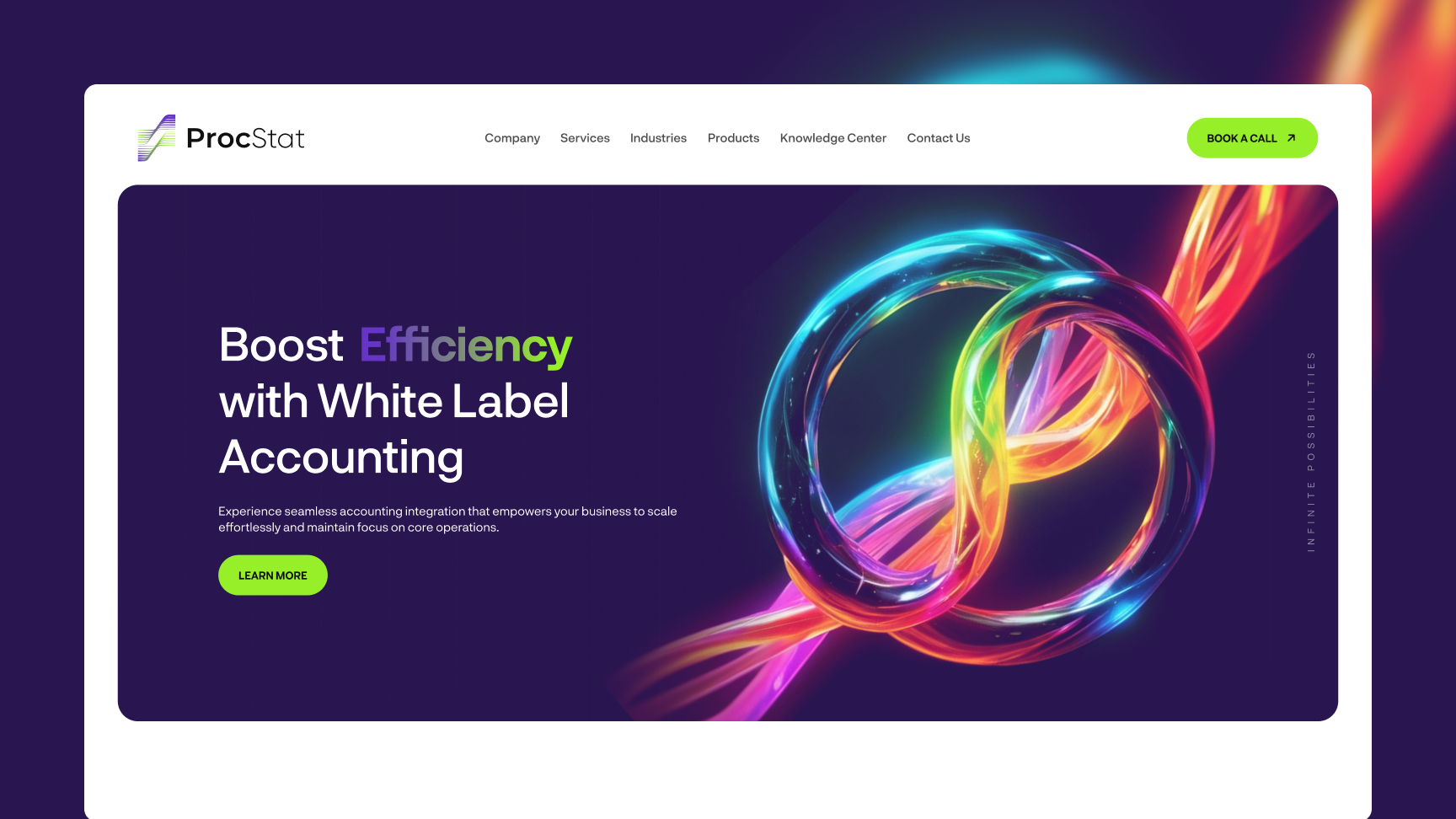
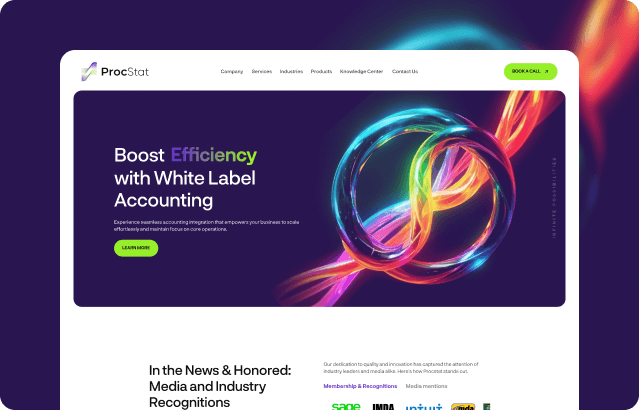
ProcStat offers secure, scalable outsourced accounting solutions through a client-focused platform designed for trust and simplicity.
-
Mobile App
-
Stock Market
-
Data Visualisation
-
Micro-interaction

 ” alt=”Hero Investment – Stunning MVP”>
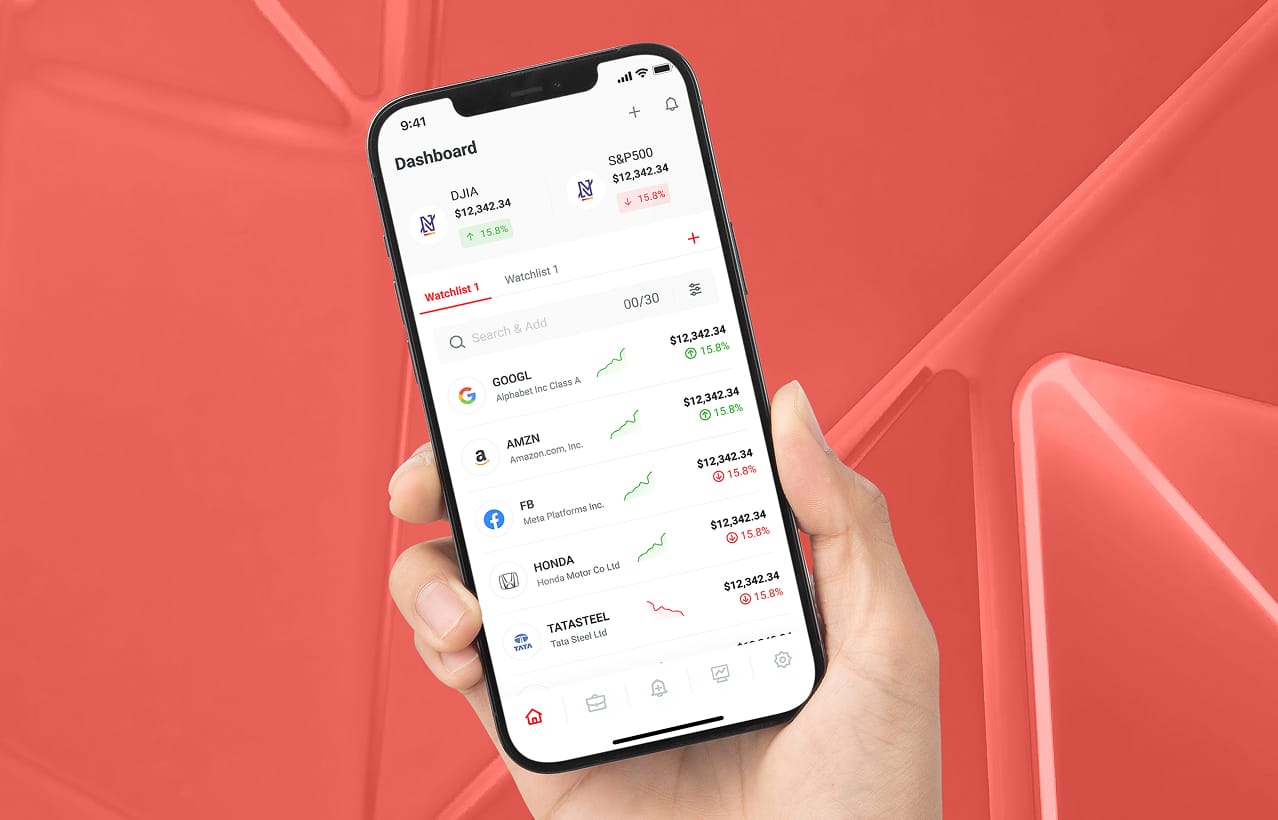
We generated an MVP for stock market and portfolio management application. With a flawless design and navigation, it’s dashboard led to an interesting exploration.
-
Enterprise Product Design
-
Dashboard Design
-
Digital Banking
-
Finance
-
Web App
-
Saas
 ” alt=”Cadnz – Simplified Banking”>
From discovery to launch, we helped Cadnz create a modern, intuitive platform that centralizes banking operations—making financial workflows seamless for teams and users across institutions.
How We Actually Use AI in
Logistics Design
We integrate AI across our entire logistics design lifecycle as a competitive advantage. Here’s how:
Let’s Discuss What Our AI-Led Process Can Do for You
200+ Project Done With 5 Star
Our work speaks for itself, but our clients say it even better.

TheFinch Design transformed our TASC AIQU website with stunning UX and visuals. Their work boosted conversions by 20%, delivered extra design templates, and ensured a smooth developer handoff. A skilled team with great attention to detail.
Damian B
Group Head of Marketing
TASC Outsourcing
We partnered with TheFinch Design to refresh our CRM UI/UX. Their innovative designs stood out for being user-friendly and modern. Always punctual, highly responsive, and consistently delivering exceptional designs across multiple projects.
Dhruv P
Founder, VGD Technologies
TheFinch Design delivered clear wireframes, interactive prototypes, and custom UI for our apps. Their designs improved brand consistency and user engagement. The entire process was seamless, creative, and highly collaborative from start to finish.
Valay P
CEO & Owner, Apptale Technologies
TheFinch Design revamped our pole fitness app, improving onboarding, navigation, and overall UX. We saw a 63% rise in daily active users, stronger retention, and better profits. Their clean, user-friendly design truly exceeded expectations.
Shelly M
CEO – Pole Fitness Co
From strategy to design, TheFinch Design gave our website a polished, high-converting look. Post-launch, we started receiving quality leads. The team was responsive, quick with changes, and supported us well through development integration too.
Bhavik S
CEO, Glopbe Pvt Ltd
TheFinch Design understood our vision and brought it to life with precise, well-crafted UI. Their communication was excellent, execution seamless, and final output exceeded expectations. We’re very happy with the results and timely delivery.
Kamlesh D
VP, Uncanny Consulting Services
They created a women-centric app experience tailored for PCOS users. From user research to clean prototypes, the process was smooth. The end product increased user task success by 15% and decreased errors by 20%. A reliable, skilled team.
Navneeth S
Chief PCOS Consultant
Threos Health
Our B2B ceramics platform benefitted immensely from TheFinch Design’s UX/UI skills. They delivered on time, offered smart solutions, and stayed flexible. Their approach was agile, user-focused, and always aligned with our evolving requirements.
Ravi T
CEO, Ceramicapp pvt ltd
TheFinch surpassed expectations with perfect aesthetic alignment with our UI/UX Design goals, answering our questions & paying attention to detail while offering valuable recommendations throughout the project.
Ted Kasten
CEO, First Pick Labs, Inc.
TheFinch Design simplified our complex UX into a cleaner, more intuitive experience. They reduced 9 pages to 5 while maintaining clarity. All work was done quickly and professionally. Communication was solid and execution exceeded expectations.
William S
President, Hitch
Latest insights
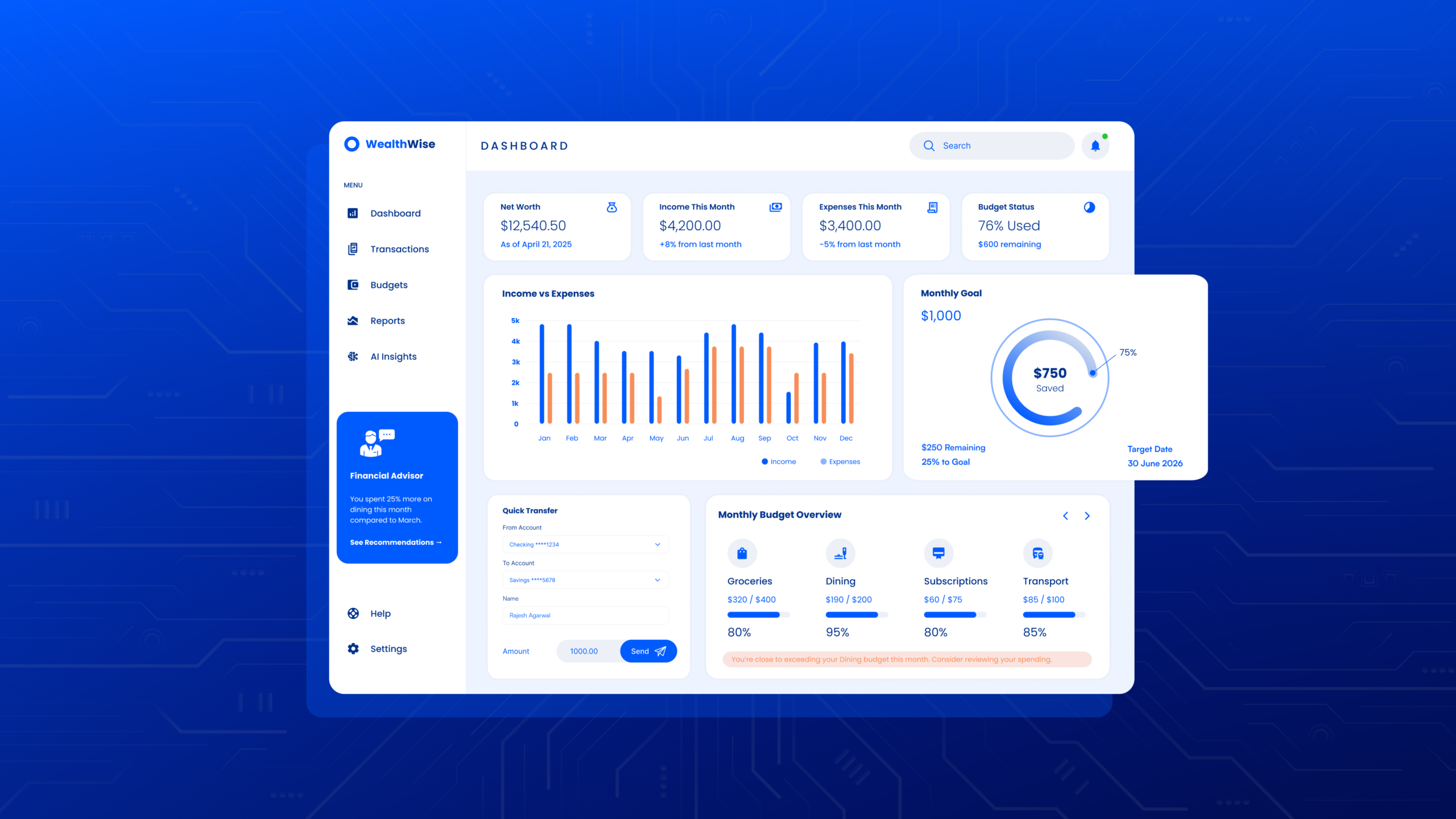
AI Technology / 16 Mar, 2026
by marketing
Unlocking Insights: UX Best Practices for AI/ML Data Visualisation Dashboards
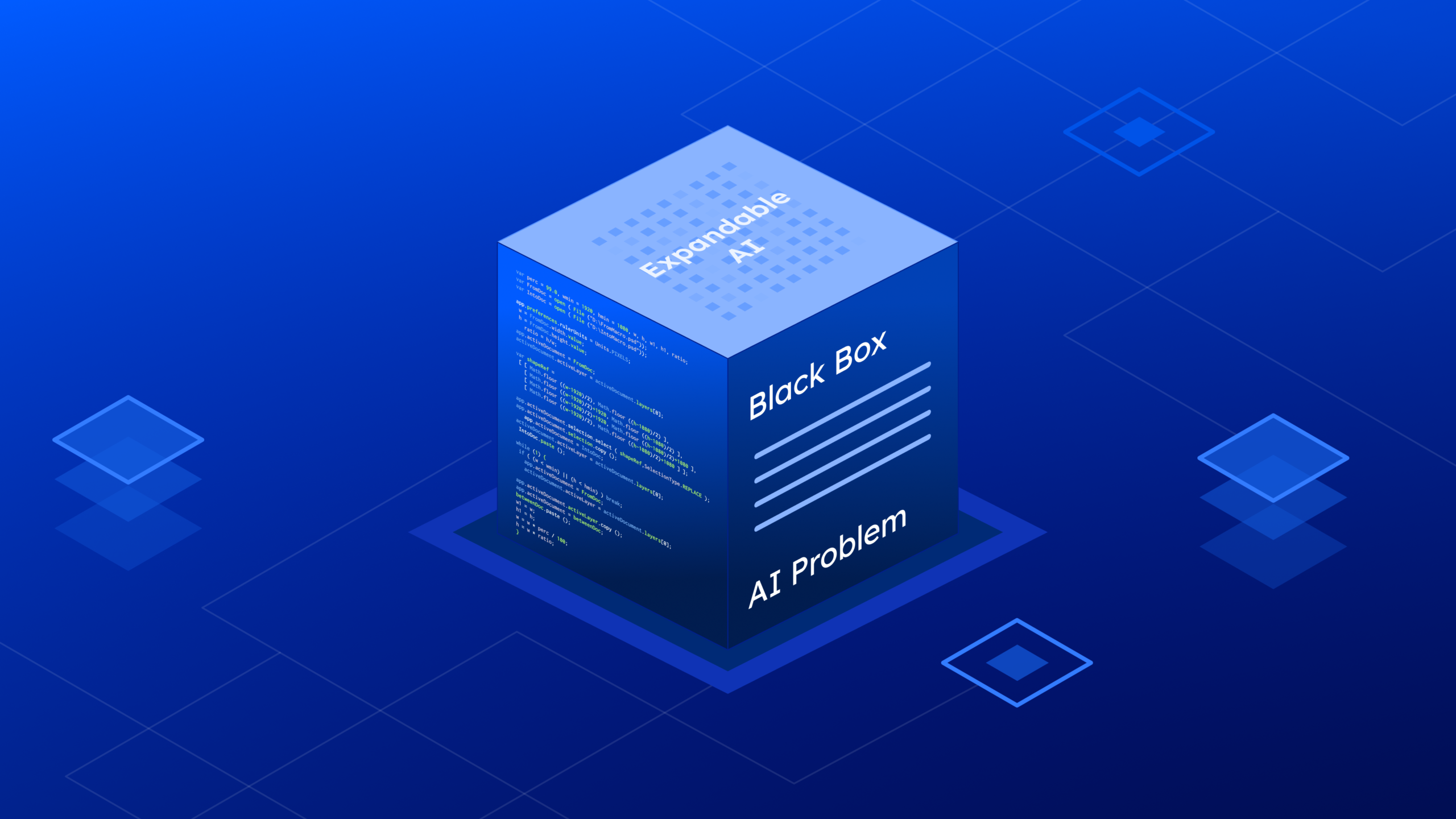
AI Technology / 16 Mar, 2026
by marketing
What Users Really Want From AI Interfaces and How Explainable AI UX Solves the Black Box Problem
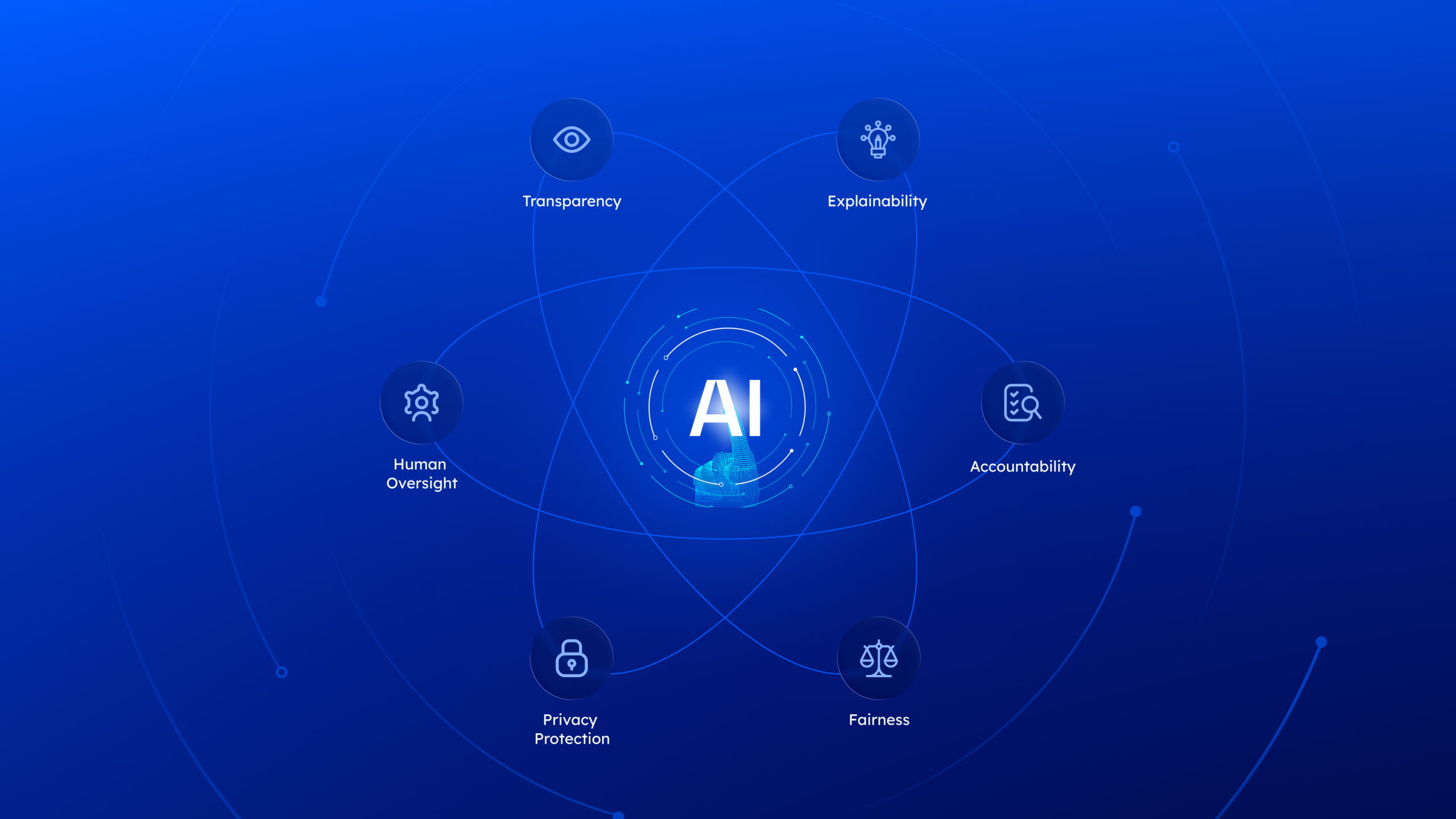
AI Technology / 14 Mar, 2026
by marketing
Best practices for voice user interface (VUI) design in 2026
Frequently Asked Questions
Seeking Basic Information? Our FAQ section is a ready reckoner with precise answers to the most probable queries

Connect with our Vision
Have more questions or just curious about your idea to explore?

How long does a logistics platform design engagement take?
Timelines depend on the complexity of the platform, the number of distinct user roles, including dispatcher, driver, warehouse operator, and operations director, and the level of existing design infrastructure. Focused engagements, such as a single module redesign or a targeted MV,P typically run for several weeks. Full-scale logistics platform design or multi-product design system development runs over several months. We provide a structured timeline during your initial consultation based on your specific operational requirements and launch constraints.
Can you redesign a logistics platform that isn’t getting adopted?
Yes. Redesign engagements begin with a structured UX audit of your existing platform, analysing task completion rates, identifying where users abandon workflows, reviewing support ticket patterns, and gathering direct feedback from dispatchers, drivers, and coordinators. We identify the specific design decisions driving poor adoption and redesign those experiences with evidence backing every change. Cosmetic updates rarely fix adoption problems. We address the underlying workflow design.
What types of logistics businesses do you work with?
We work across the logistics industry, from freight tech startups building their first carrier management platform to established 3PLs modernising legacy dispatch and tracking systems. Our client base includes freight brokers, TMS and WMS providers, last-mile delivery platforms, fleet management technology companies, warehouse operations teams, and specialised freight operators. If your business is moving freight or managing logistics operations digitally, we have relevant experience to contribute.
Do you provide design support after the platform launches?
Yes. Logistics platforms don’t stand still. Freight networks expand, carrier requirements evolve, regulatory changes create new compliance needs, and user feedback surfaces new design priorities. We offer post-launch UX support and ongoing optimisation engagements for clients who need a continuous design partner rather than a one-time delivery vendor.
How do you measure whether the logistics platform design is working?
We track metrics that reflect operational performance directly:
Platform adoption: daily and monthly active users by role, feature adoption rates across dispatcher and driver workflows, and session frequency by operator type. Workflow
Efficiency: task completion rates for critical freight actions, time-on-task for dispatch and coordination workflows, error rates in high-stakes freight booking and delivery confirmation steps. Carrier and partner onboarding: registration completion rates, time-to-operational-activation for new carriers, document submission completion. Retention: platform churn by user segment, repeat engagement frequency, support escalation volume tied to UX friction.
Operational impact: delivery SLA adherence rates are influenced by platform visibility, dispatcher intervention frequency, and manual workaround reduction.
We validate against these metrics through usability testing during design and offer ongoing optimisation post-launch.
What does Design Discovery look like for a logistics platform?
Design Discovery is a 2 to 4-week structured engagement that defines the product foundation before development begins. It includes stakeholder workshops to align business, operations, and technology priorities across your organization; competitive analysis of comparable freight and logistics platforms; operational user research with dispatchers, drivers, warehouse managers, and coordinators; interactive prototype development validated against real freight workflows; usability testing with actual end-users in your operation; technical feasibility review with your engineering team; a prioritized product roadmap structured around operational ROI; and full design specifications ready for development handoff. Discovery gives your development investment a clear, validated direction and significantly reduces the risk of building a platform your team won’t use.
How is logistics platform design priced?
Pricing depends on the scope of the platform, the number of user roles, the complexity of freight workflows being designed, and the depth of research required. We provide detailed, itemised proposals following a discovery conversation about your specific requirements. You can also use our cost calculator to receive a directional estimate in minutes.
What happens when project requirements change mid-engagement?
Logistics product requirements evolve. New carrier integration requirements surface, regulatory changes affect workflow design, and stakeholder priorities shift. When scope changes, we reassess timelines, deliverable sets, and investment impact transparently before making any adjustments. Every change is documented and aligned with your operational goals before execution. We don’t absorb scope changes silently, and we don’t move forward without mutual clarity on what those changes mean for the project.
Do you work with early-stage logistics startups or only established operators?
Both. Early-stage freight tech companies engage us for investment-ready MVP design, rapid Design Discovery to validate product concepts, and early user research to understand the dispatcher and operator needs the platform must serve. Established logistics operators engage us for platform modernisation, TMS or WMS interface redesign, and multi-platform design system development. We structure engagement models to fit the stage and scale of each client, and many startup clients continue working with us as long-term design partners as their freight networks grow.
How do you develop an understanding of the people who will use the logistics platform?
Every engagement begins with direct operational user research. That means interviews with dispatchers, freight coordinators, warehouse managers, and drivers to understand their daily workflows, their biggest points of friction, and what they need from a platform to do their jobs effectively. We review existing platform analytics and support data, analyse how comparable platforms serve similar user populations, develop role-specific personas grounded in behavioural data rather than assumptions, and map end-to-end operational journeys from freight booking through delivery confirmation. This research gives us a clear picture of what your users need the platform to do, in the conditions they actually work in, before a single interface element is designed.
Do you design for TMS, WMS, and last-mile systems in one engagement?
Yes. We typically start with the highest-impact workflows, then standardize the rest through a shared design system so the stack stays consistent.
Can you work with our in-house product and engineering teams?
Yes. We integrate into your sprint cadence, deliver dev-ready specs, and stay involved through implementation reviews and QA.