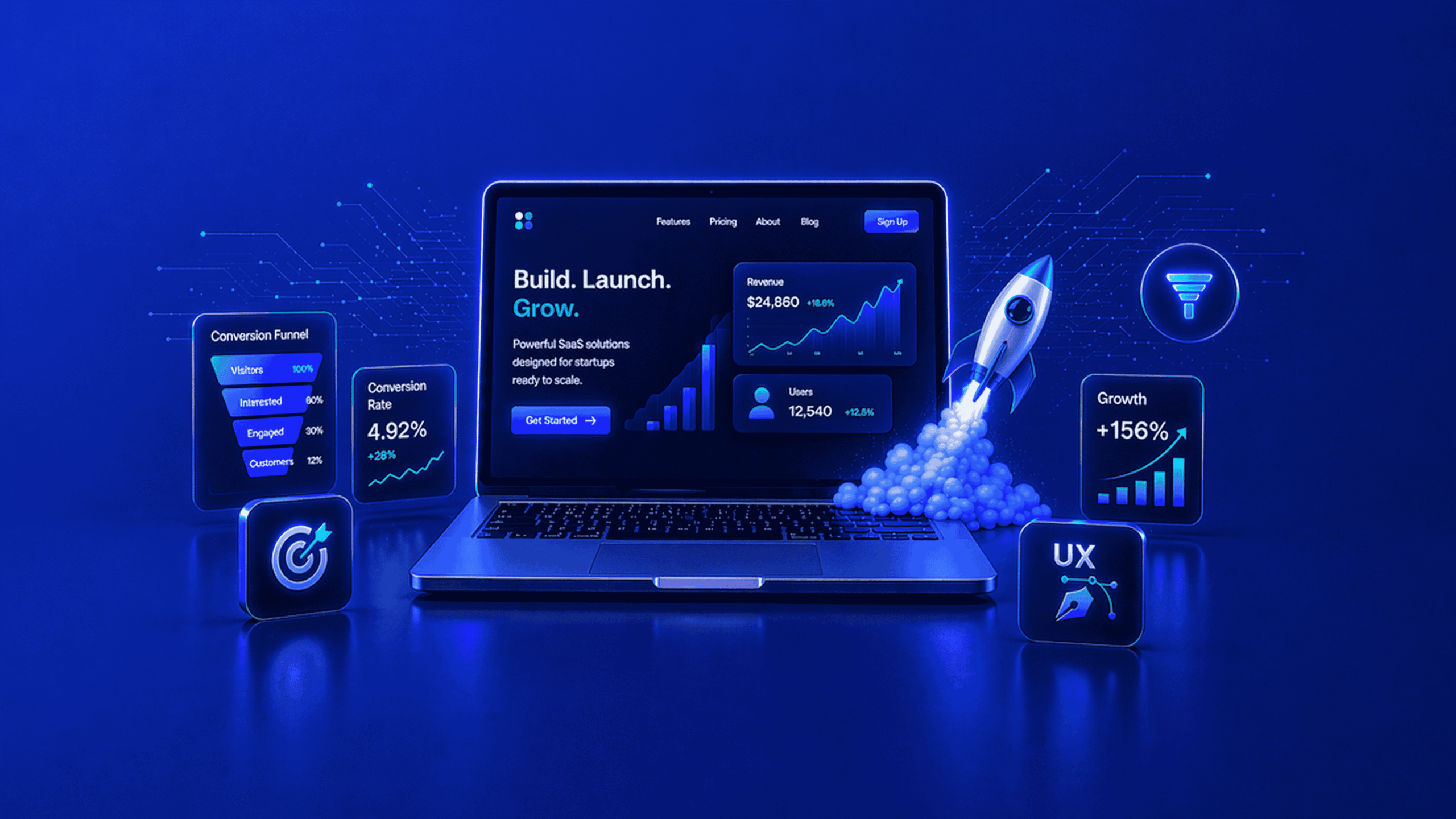
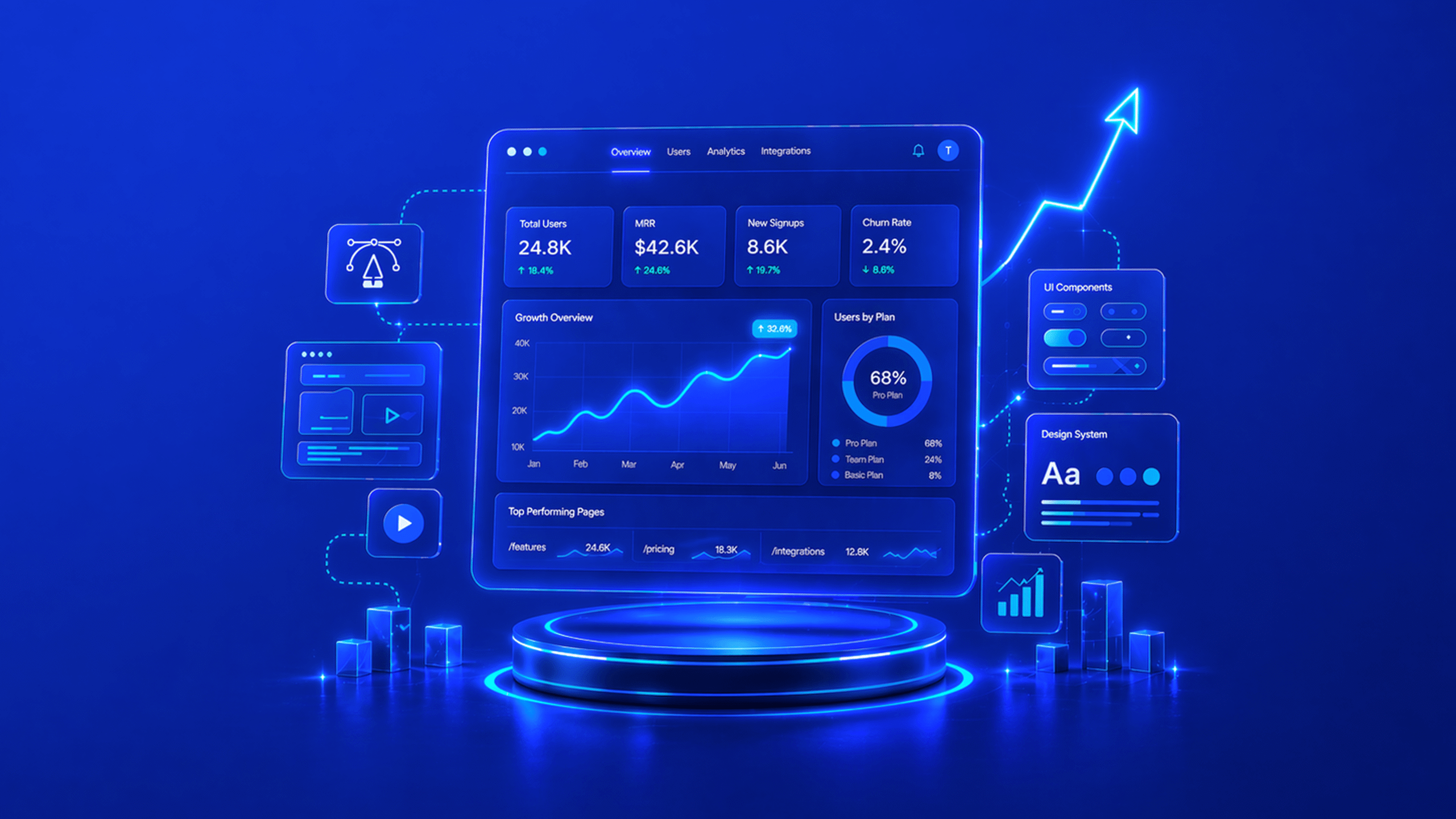
In 2020, a good software website was essentially a digital brochure, but by 2026, it has become a living salesperson that adapts to every visitor in real-time. According to user behavior studies by the Nielsen Norman Group, most software companies lose up to 70% of their potential customers in the first ten seconds of a visit. Many users abandon sites immediately simply because the layout feels confusing or completely irrelevant to their needs. That massive drop-off happens because modern visitors expect a site to instantly understand exactly what they are looking for.
Picture a physical storefront where the shelves actually rearrange themselves, bringing the exact products you want to the front the moment you walk inside. This concept is known as "Active Design," and it represents the biggest shift in how subscription software is sold today. Rather than forcing a visitor to dig through endless menus, an active website learns from their clicks and presents the most relevant solutions immediately. Static, one-size-fits-all pages simply cannot compete with this level of seamless personalization.
Behind this proactive approach is the "Digital Concierge Concept," a strategy where your website acts less like a billboard and more like a helpful hotel guide. Relying on generic, copy-and-paste templates completely kills a software company's trust with users, because these cookie-cutter layouts fail to anticipate questions or remove hurdles. A true digital concierge actively predicts what a potential customer needs to see to feel confident about clicking the subscribe button.
Building this type of intelligent experience requires a specific set of skills grounded in three core pillars: dynamic personalization, frictionless navigation, and trust-building social proof. Finding the best SaaS website design agencies focusing on conversion optimization means looking for a team that masters all three of these areas. These specialized designers do not just pick nice colors; they act as digital architects who rely on real user data to turn curious browsers into loyal subscribers.
Choosing the right partner to build this concierge experience can dictate the difference between rapid growth and stagnant sales. Today's top SaaS website design agencies in 2026 understand exactly how to stop that ten-second visitor bleed. By transforming a passive webpage into an engaging conversation, they ensure every click brings your visitor one step closer to becoming a customer.
The High Cost of 'Pretty': Why General Agencies Can't Fix Your Churn Rate
Imagine walking into a stunning retail store where you cannot find the cash register. This is the exact problem many software companies face today: the aesthetic versus functional gap. A visually beautiful website might impress a visitor, but if the layout does not clearly guide them to solve their problem, they will simply leave.
When a user cancels their software subscription out of sheer frustration with a confusing interface, that is called design-led churn. You lose money not because your product is bad, but because your digital storefront makes basic tasks feel like an obstacle course. Countless customers abandon tools simply because they cannot figure out how to upgrade or change a simple setting.
Traditional creators often treat complex software like a basic digital brochure. Applying the best B2B SaaS UX design practices requires understanding exactly how people buy subscriptions. Today's top agency design teams using platforms like Webflow prioritize functional logic over pretty colors to reduce SaaS site bounce rates and keep users engaged.
Fixing these invisible leaks requires moving beyond basic decoration to understand how visitors actually make choices.
Conversion Science 101: Turning Your Digital Storefront into a Sales Engine
Asking a visitor to buy software immediately is like proposing on a first date. Instead of pushing for an instant sale, smart agencies use behavioral psychology in web design to build trust. They rely on the "Micro-conversion ladder"—a series of small, low-risk actions, like watching a brief video, that naturally lead visitors toward becoming paying subscribers.
Climbing this ladder requires eliminating "Digital Friction," which is any confusing element that makes a visitor pause or abandon the site. Optimizing micro-conversions in SaaS apps means replacing these roadblocks with clear "Signposts" that guide users exactly where they need to go. Consider these three common friction points hiding in standard website headers:
- Vague Navigation: Instead of using internal company jargon, clear signposts use customer goals (e.g., "For HR Teams").
- Hidden Pricing: Forcing users to hunt for costs creates anxiety; a highly visible "Pricing" link builds instant trust.
- Cluttered Buttons: Offering multiple actions overwhelms visitors; one standout "Free Trial" button focuses their attention.
Clearing these basic obstacles is just the foundation of a functional digital storefront. The next step is anticipating what unique visitors need before they even click.
Digital Mind-Reading: How AI Predictive Modeling Guides Your Visitors Today
Most businesses already track basic website traffic. Today, top SaaS agencies move beyond generic AI buzzwords by turning that historical data into future foresight. They use AI-powered predictive user behavior modeling to anticipate what a visitor needs before they even move their mouse.
Think of this technology like an observant salesperson in a physical retail store. If a shopper walks in wearing a tailored business suit, the clerk immediately guides them toward premium watches, not discount sneakers. Predictive web design acts as this digital clerk, analyzing subtle clues—like the specific link a visitor clicked to arrive—to instantly adapt the entire browsing experience.
The most impactful place for this is the "Hero Section," the large, billboard-like area at the very top of a webpage. After completing a data-driven UX audit for software companies, agencies build dynamic headers that change automatically depending on who is looking. For example, a project management platform might display executive-level analytics to a visiting CEO, while showing daily task-tracking tools to a team leader.
Delivering these personalized first impressions ensures your digital storefront speaks directly to individual customer pain points. Once this intelligent prediction captures their attention, the immediate next step is guiding them deeper into the interface.
Architecture for Growth: Building a Website that Sells Your Product While People Use It
Once a visitor's attention is captured, the website must transition from a digital billboard to the product itself. This approach, called product-led growth website architecture, lets the software sell itself. Rather than separating marketing from the product, modern designs blur the lines. If your business relies on a free trial—allowing users to test the software before paying—your site must instantly prove how effortless your tool is to use.
Achieving this requires the "Test-Drive" layout. Much like taking a car for a spin, this design strategy lets users safely click through a simplified version of your dashboard before they ever sign up. To build these high-converting SaaS landing page components without overwhelming the reader, agencies include four essential elements:
- Interactive product tours guiding visitors step-by-step.
- Bite-sized videos replacing heavy text blocks.
- Frictionless buttons requiring only an email address.
- Pre-built templates showing immediate problem-solving.
A hands-on digital experience ensures visitors feel confident rather than confused by complex features. Yet, even brilliant layouts fail if pages load slowly or glitch on mobile phones. To keep these engaged prospects from leaving in frustration, the underlying web environment must be flawlessly fast.
Stop the Bleeding: Reducing Bounce Rates Using Modern Webflow Environments
Imagine walking into an electronics store with a stuck front door. Even brilliant product layouts fail if visitors wait too long to see them. In 2026, the psychological link between performance and trust is absolute. When a software company promises efficiency, a sluggish site breaks that promise immediately.
This delay is a failure in Conversion Speed—how quickly a webpage responds to a single click. Today's benchmark demands pages load fully in under two seconds. Top agency design teams understand that every extra second of waiting slashes potential subscribers in half.
Delivering that instant response requires abandoning outdated coding methods. Modern platforms deliver Snappy Interaction, meaning menus and buttons react the exact millisecond they are touched. Unlike old manual builds bogged down by heavy code, modern visual environments provide clean, scalable design systems for high-growth tech to ensure lightning-fast loading without the bulk.
Fixing these foundational hurdles secures your audience's initial trust. Once visitors comfortably engage with a fast, responsive environment, the final challenge is ensuring they actually complete their purchase.
From Trial to Paid: Designing Experiences that Kill Software Abandonment
Starting a free trial is only half the battle. The real survival test happens right after login, a critical window known as "First 48 Psychology." If users feel overwhelmed during their first two days inside a new platform, they simply leave. Solving this immediate frustration is essential for reducing software trial abandonment rates and securing long-term customers.
Navigating an unfamiliar interface often feels like driving in a foreign city without a map. Smart companies fix this missing direction with contextual tooltips, which act as digital tour guides that pop up exactly when needed. These subtle text boxes highlight where to click next, removing the steep learning curve that normally forces people to quit during setup.
People also need ongoing motivation to keep exploring once they find their way. According to 2026 conversion optimization trends from the best SaaS website design agencies, "Milestone Celebrations" stand out as a primary tool to build momentum. When a user finishes a key task, the screen reacts with positive visual feedback, making their progress feel rewarding rather than like a chore.
Guiding and celebrating these early steps naturally encourages users to pull out their credit cards and upgrade to a paid plan. However, true product loyalty requires recognizing that no two subscribers share the exact same goals.
The Power of One: Using Hyper-Personalized Funnels to Match Every User's Intent
Imagine selling a minivan to a college student and a large family using the exact same pitch. That is exactly what generic websites do. A one-size-fits-all message wastes advertising budget because different visitors face entirely different problems. To fix this, smart companies adopt a conversion-centric brand identity for software. This means using "Segmented Messaging"—showing distinct text and solutions based on who is actually looking.
This targeted strategy turns a static site into a responsive digital salesperson. By building hyper-personalized customer acquisition funnels, websites can instantly reorganize to match a specific visitor's intent. Instead of one crowded homepage, modern systems adapt automatically based on job titles:
- The CEO: Sees fast metrics on revenue growth and time saved.
- The IT Manager: Sees security data, compliance badges, and software integrations.
- The Daily User: Sees ease-of-use promises and clean interface previews.
Treating visitors as individuals drastically increases relevance, which safely lowers your overall cost to acquire new customers. When the digital storefront speaks directly to their unique daily frustrations, they are much more likely to subscribe. However, building these smart, adaptable pathways requires highly specialized skills. Business leaders soon face a crucial financial choice: should you build this with an in-house team, or hire an outside agency?
Hire or Build? The Financial Reality of Specialized Agencies vs. In-House Teams
Building an internal team often feels like the safest financial bet. However, leaders quickly face the "Generalist Trap," expecting one hired designer to master both pretty graphics and the complex psychology of turning casual visitors into paying buyers. The true cost of an in-house setup includes heavy salaries, expensive software tools, and the hidden expense of slow trial-and-error.
By contrast, hiring outside experts offers a massive advantage known as the "Cross-Pollination Benefit." Think of an agency like a bee moving between flowers. They take winning ideas from dozens of different software companies and apply them directly to your project. Comparing specialized agencies to in-house teams highlights that external teams bring proven solutions, helping you avoid expensive guesswork.
Your current growth stage dictates which path makes sense. While early startups survive on basic templates, scaling companies need continuous refinement to their digital storefronts. This ongoing need explains how design agencies provide effective post-launch CRO support for SaaS products. They constantly adjust the user experience to capture more daily sales, offering a much faster return on investment.
Ultimately, choosing the most profitable route depends on recognizing real expertise. Once you realize an external agency offers the fastest path to sustainable growth, you must filter out the pretenders.
The 3-Question Framework for Vetting Your 2026 Design Partner
Finding a true partner requires looking past a pretty portfolio. A standard graphic designer makes your digital storefront look inviting, but a conversion expert actually gets people to walk through the door and subscribe. Evaluating SaaS design partners effectively requires focusing on their long-term strategy rather than just their visual style.
To separate the pretenders from the professionals, use these three killer questions during your interviews:
- "Can you walk me through a failed test?" (This proves they use real data verification to learn from mistakes, rather than just guessing what looks good).
- "What happens after the website goes live?" (The best design agencies provide continuous post-launch CRO support for SaaS platforms, treating the launch as a starting line instead of a finish line).
- "How do you measure success?" (Listen for business-focused metrics like "more daily sign-ups" instead of vague answers about "a beautiful layout").
Asking these specific questions ensures your chosen team will actively refine your site as customer habits change. Once you secure a capable partner, their very first step won't be drawing new pages. Instead, they will immediately begin digging into your current performance through a data-driven UX audit.
The Data-Driven UX Audit: Finding the Hidden Friction in Your Customer Journey
Before a single new layout is drawn, a capable agency begins by examining what is currently broken. They perform a data-driven UX audit for software companies, acting like a mechanic running a diagnostic test on a struggling engine. This basic digital health check-up reveals exactly where potential subscribers abandon their journey.
To see these hidden roadblocks, experts use heatmapping technology—a digital tool that tracks mouse movements across a screen like a thermal camera. By analyzing this visual data, designers apply behavioral psychology in web design to understand exactly why a visitor hesitated at the pricing page instead of buying.
Repeatedly tapping an image that fails to expand is a frustrating experience known as a "dead click," which rapidly destroys customer trust. Finding and fixing these confusing areas eliminates invisible friction from your entire sales process.
Transforming these insights into action is the final step, turning raw audit findings into a concrete 30-day optimization roadmap. However, optimizing for standard user habits is only part of the modern equation; accessibility is equally crucial.
Inclusive Profit: Why 2026 Accessibility Standards Are No Longer Optional
Designing for everyone is no longer just a nice gesture; it is a concrete financial strategy. Ignoring web accessibility standards for 2026 risks costly legal penalties and alienates millions of potential customers. This represents "Inclusive Profit"—the reality that making software usable for people with disabilities directly expands your total market size. Think of it like installing a wheelchair ramp at a physical store; it simply welcomes more paying shoppers inside.
This approach relies on "Universal Design," where accommodations meant for specific needs end up benefiting everyone. For instance, high-contrast text helps visually impaired users, but it also aids professionals reading a phone screen in bright sunlight. Furthermore, search engines actively reward these clear, accessible layouts. Embedding these principles into scalable design systems for high-growth tech ensures your website ranks higher in search results, driving free organic traffic to your digital storefront.
Ultimately, an accessible platform performs better across the board by removing invisible barriers for all users, proving their financial value and directly impacting the ROI of conversion optimization.
Measuring Real Success: Calculating the ROI of Conversion Optimization
While attracting more visitors is a great start, translating that traffic into verifiable profit requires the right tracking. Companies often rely on "Vanity Metrics"—numbers like simple page views that look impressive on paper but do not actually pay the bills. Modern teams need to shift toward "Revenue Metrics," which track the exact moments casual browsers successfully become paying subscribers. Making this shift is the cornerstone of effectively measuring conversion rate optimization ROI.
Consider the frustrated customers who almost purchased your software but got confused and left your website. The "Value of a Saved User" is a powerful concept that calculates how much money is rescued simply by fixing those digital hurdles. If a clearer checkout page stops ten people a month from abandoning their purchase, those ten saved users represent direct, compounding revenue for your business.
Business leaders need to hear about this financial impact rather than technical web jargon. When presenting conversion data to stakeholders, you must speak the language of business value. Explain exactly how removing a specific digital roadblock increased monthly profits. This practical translation is precisely how the best SaaS website design agencies focusing on conversion optimization prove their worth to a boardroom.
Every successful website project eventually shifts from a basic expense into a measurable investment. Once your team can calculate the true dollar value of an effortless user experience, you are ready to begin building.
Your 90-Day Roadmap to a High-Converting SaaS Presence
You started this journey viewing your website as a simple digital brochure. Now, you recognize it as a living, breathing salesperson that works around the clock. You have the understanding necessary to shift your site from a passive online presence to an active revenue engine.
Start with a simple 90-day checklist to see immediate results and build your confidence:
- Days 1-30: Audit your site using basic tools to uncover exactly where visitors get stuck.
- Days 31-60: Redesign the digital storefront to clear away those specific hurdles.
- Days 61-90: Test the new layout to measure how smoothly users become subscribers.
If you get stuck along the way, knowing how to evaluate SaaS design partners is your safety net. Look for teams that act as digital architects, prioritizing a frictionless customer journey over merely making a page look pretty.
Once comfortable with your initial data, you can confidently let the experts take over. The best SaaS website design agencies in 2026 will always rely on your actual visitor behavior to prove their worth, rather than guessing what might work.
Take a hard look at your digital storefront today and ask yourself: Is your website helping or hurting? By executing this simple action plan, you are setting the stage for predictable growth. Imagine logging in next quarter to see a measurable increase in conversions—that is the reward for transforming insights into deliberate action.
Ravi Talajiya
CEO of TheFinch
With over a decade of experience in digital design and business strategy, Ravi leads TheFinch with a vision to bridge creativity and purpose. His passion lies in helping brands scale through design thinking, innovation, and a deep understanding of user behavior.